Your cleanser touches your whole face twice a day, every day, so it quietly shapes how your skin feels more than almost any other product. The best facial cleanser isn’t the most expensive one or the one with the most foam. It’s the one that removes sunscreen, oil and sweat without leaving your skin tight, red or shinier an hour later.
That’s why there’s no single best face wash for everyone. This guide explains what to look for on the label, which type of face wash suits each skin type (with a full section on oily skin, the most common skin type in the UAE heat), which claims to ignore, and our honest picks. Want the technique as well? See how to properly wash your face.
What makes a good facial cleanser?
Every cleanser is built around surfactants, the ingredients that lift oil and dirt so water can rinse them away. How strong those surfactants are decides how your skin feels afterwards.
- Stronger cleansers use sulphates such as sodium lauryl sulphate (SLS). They foam a lot and clean deeply, but they can strip natural oils and irritate dry or sensitive skin.
- Milder cleansers use amino-acid cleansing agents, glucosides or betaines. They clean well with less foam and are kinder to the skin barrier.
Research on cleansers shows the harshest damage comes from surfactants that bind strongly to skin proteins and lipids, which is why gentler formulas leave skin feeling comfortable rather than “squeaky”. If your face feels tight after washing, your cleanser is too strong for you. You can browse our full face wash and cleanser range by skin type.
Types of face wash
- Foaming facial cleanser: rich lather, refreshing; best for oily and normal skin.
- Gel cleanser: light, clear and often low in oil; great for oily, combination and acne-prone skin.
- Cream, milk or hydrating facial cleanser: little or no foam, leaves a soft feel; best for dry and sensitive skin.
- Oil or balm cleanser: dissolves sunscreen and make-up; a first step for double cleansing.
- Exfoliating facial cleansers: contain acids like salicylic or glycolic acid. Because they rinse off in under a minute, they’re milder than leave-on acids, but most people don’t need one twice a day.
Best face wash for each skin type
Best face wash for oily skin
Oily skin in the UAE has a hard time: heat and humidity outside, sweat from the gym or the walk to the car, and sunscreen reapplied over oil. It’s tempting to reach for the strongest wash you can find. That usually backfires. When a face wash strips too much oil, skin can feel tight and look greasy again within hours.
The best face wash for oily skin cleans well but leaves your face fresh, not stretched. Look for:
- A gel or light foaming texture that rinses clean without a film.
- Sulphate-free or mild surfactants for everyday use, especially if your skin is oily and sensitive at the same time.
- Helpful extras: salicylic acid to clear inside pores, niacinamide or zinc to help with shine, and tea tree for skin that breaks out.
- No heavy oils or thick creamy residue.
Oily skin and acne or pimples: a salicylic acid face wash (BHA) can help keep pores clear, and a gentle wash supports any acne treatment you use. A face wash alone won’t clear active pimples, so pair it with a leave-on treatment. Our salicylic acid guide explains how to use it.
Large pores and blackheads: a daily gentle wash plus a BHA two or three times a week works better than scrubbing. Scrubs can inflame pores and make them look bigger.
Oily skin in summer: wash morning and night, and once more after heavy sweating. Use blotting papers between washes instead of a fourth or fifth wash.
Cheap or affordable face wash for oily skin: price tells you little. Plenty of affordable cleansers are excellent; plenty of expensive ones are too harsh. Read the surfactants and how your skin feels after a week.
More on managing shine in our oily skin guide.
Best face wash for dry skin
Dry skin needs a moisturising facial cleanser: a creamy, milky or low-foam formula with glycerin or other hydrators, and no SLS. The best face wash for dry skin leaves your face soft straight after rinsing, never tight or flaky.
- Creamy or low-foam cleansers: a creamy facial cleanser for dry skin, or a mild amino-acid foam, cleans without stripping.
- Daily use: wash at night to remove sunscreen; on very dry mornings, a splash of lukewarm water is enough.
- Dry, sensitive skin: fragrance-free and sulphate-free, with a short ingredient list.
- Dry, acne-prone skin: keep the wash gentle and put acne actives in a leave-on product instead of a strong acne wash, which will dry you out further.
- Winter and air conditioning: dry skin gets drier in cooler months and in AC; switch to your gentlest cleanser and moisturise within a minute or two.
- Normal to dry skin and men with dry skin: the same rules apply; a mild foam is fine if your skin feels comfortable afterwards.
More on caring for dry skin in our dry skin guide.
Best face wash for sensitive skin
The best facial cleanser for sensitive skin is a mild facial cleanser with a short ingredient list, no added fragrance, no sulphates and no scrubbing particles. Introduce one new product at a time and patch-test on the jawline for a few days. If your skin is sensitive and combination, keep the cleanser gentle and treat the oily T-zone with a separate leave-on product instead.
Best face wash for combination skin
Combination skin is the trickiest to wash: an oily T-zone that wants a thorough clean, and cheeks that dry out if the wash is too strong. The best face wash for combination skin is a balanced gel or low-to-medium foam cleanser that cleans the forehead and nose without leaving the cheeks tight.
- Foaming or gel? A gentle foaming cleanser for combination skin works well if it’s sulphate-free. Very rich, squeaky foams usually mean stronger surfactants.
- Combination skin with blackheads or acne: use your gentle wash daily and add salicylic acid only where you need it, on the T-zone, two or three times a week, rather than a strong acne wash all over.
- Sensitive combination skin: fragrance-free and sulphate-free, with lukewarm water. Treat the oily areas with a leave-on product instead of a stronger wash.
- Oily combination skin in summer: a gel wash morning and night is usually enough; blot the T-zone during the day.
- Korean cleansers for combination skin: many Korean gel and low-foam washes are mild and suit this skin type well. The same label rules apply.
Morning tip: if your cheeks feel tight, many people with combination skin do best with a gentle wash at night and just a water rinse in the morning. Men with combination skin can follow the same rule. Read more in our combination skin guide.
Best face wash for acne
A face wash for acne can help keep pores clear and skin calm, but it’s on your face for less than a minute. Think of it as support for your acne routine, not the whole treatment. The best face wash for acne is gentle enough to use twice a day and, if you need one, carries an active that suits your type of breakouts:
- Salicylic acid (BHA): clears oil and dead cells inside pores, so it’s the best choice for acne with blackheads and whiteheads. See our salicylic acid guide.
- Benzoyl peroxide: reduces acne bacteria and works for red, inflamed pimples. Leave the lather on for one to two minutes before rinsing so it has time to work, and use white towels, as it bleaches fabric.
- Tea tree, niacinamide and zinc: milder options that can calm redness and oil. More in tea tree oil for acne.
Oily skin and acne: a gel wash with salicylic acid or benzoyl peroxide, once or twice a day. Sensitive, dry or combination acne-prone skin: a gentle, non-medicated wash, with acne actives in a leave-on product, so the wash doesn’t over-dry you. Cystic acne: deep, painful lumps need a doctor; no face wash will clear them. Acne scars: a wash won’t fade scars or marks; see best cream for acne scars and dark spots. Affordable, drugstore and Korean acne washes can all work well; the active and how gentle the base is matter more than price. After washing, follow with a light moisturiser; see the best moisturizer for acne prone skin.
Women and men
The best face wash for women and for men follows the same rule: match it to your skin type, not the colour of the bottle. Men often have oilier skin and shave daily, so we wrote a separate guide to the best face wash for men.
Glow, “whitening”, natural and medical claims
- Best face wash for glowing skin: a cleanser helps glow by removing dulling build-up, but brightening ingredients work far better in a leave-on serum than in a wash that’s on your face for 60 seconds.
- “Whitening” cleansers: no face wash changes your natural skin colour. A gentle cleanser plus a brightening serum and daily sunscreen is what evens tone. We explain why in skin brightening vs whitening.
- Natural and organic face wash: plant extracts like aloe, tea tree or oats can be lovely, but “natural” doesn’t automatically mean gentle; essential oils can irritate. Check the whole label.
- “Medical” face wash: most cleansers sold this way are cosmetics. Prescription washes exist and should come from a doctor.
A 30-second label checklist
- Does the texture match your skin (gel or foam for oily, cream or low-foam for dry)?
- Is it sulphate-free or mild, if your skin is dry or sensitive?
- Is there added fragrance, and does your skin tolerate it?
- Is there an active (salicylic acid, tea tree) you actually need?
- After a week, does your face feel comfortable, not tight, straight after washing?
Our picks
We make three cleansers, each for a different job:
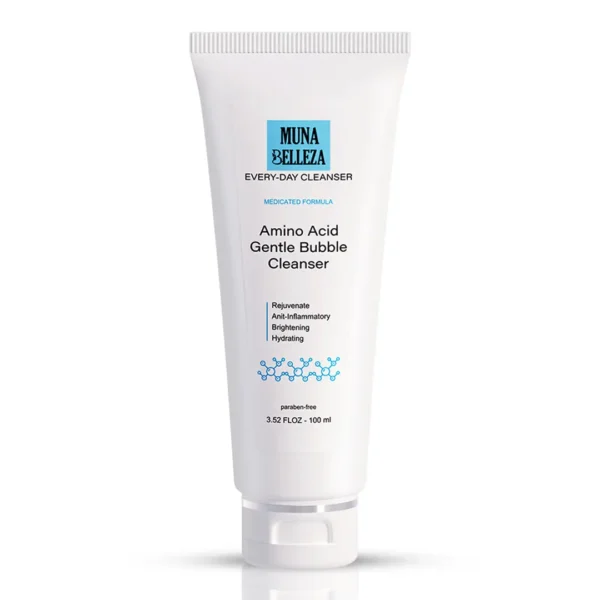
- Amino Acid Gentle Bubble Cleanser: mild amino-acid cleansing agents with glycerin, betaine and allantoin; no added fragrance and no sulphates. Our gentlest option for dry, sensitive and normal skin, and for anyone who wants a soft everyday wash.
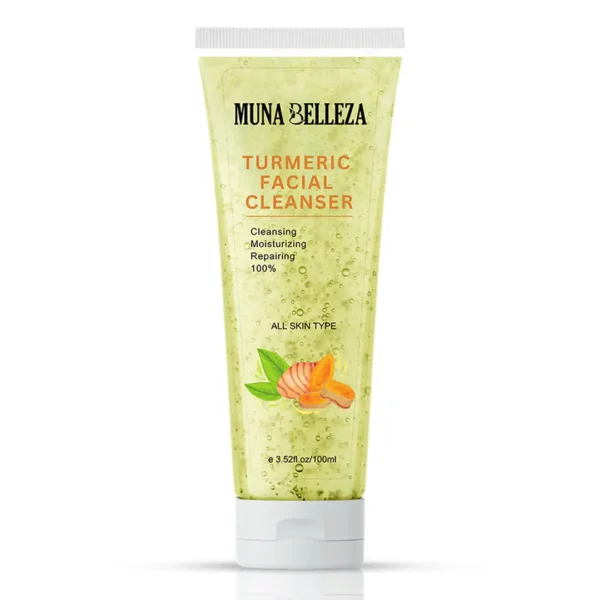
- Turmeric Face Wash: a sulphate-free gel with turmeric, tea tree oil, aloe and sodium hyaluronate. Our pick for oily and acne-prone skin. It’s a daily wash, not an acne treatment, and because of the tea tree oil, patch-test it first.
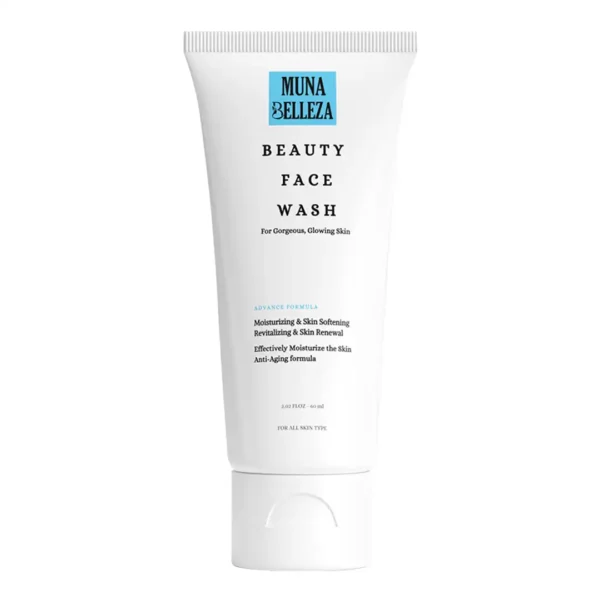
- Beauty Face Wash: a richer-foaming, deep-cleansing wash with sulphates and fragrance. For very oily or normal skin and men who like a strong clean feel. Not the right choice for dry or sensitive skin.
None of our cleansers contains salicylic acid, so if you want a BHA, use a leave-on product or our salicylic acid mask alongside them.
Common questions
What is the best facial cleanser?
The one that suits your skin type: a gentle gel for oily skin, a cream or low-foam cleanser for dry skin, and a fragrance-free, sulphate-free formula for sensitive skin. Your skin should feel clean and comfortable, never tight.
What is a cleanser?
A product that removes oil, dirt, sweat, sunscreen and make-up from the skin. Face washes, cleansing foams, milks, oils and micellar water are all types of cleanser.
What are the benefits of a face wash?
Clearer pores, less build-up, a clean base for serums and sunscreen, and skin that feels fresh after heat and sweat. Plain water can’t remove sunscreen or oil as well.
Is a foaming cleanser bad for dry skin?
Not always. A mild, low-foam formula can suit dry skin. Strong, high-foam washes with SLS are the ones to avoid.
Which face wash is best for oily skin and pimples?
A gentle gel face wash, used twice a day, plus a leave-on acne treatment. Salicylic acid or tea tree in a wash can help, but they work best as part of a full routine.
How often should I change my face wash?
Only when your skin changes, for example oilier in summer or drier in winter air conditioning. If your skin is happy, there’s no need to switch.
Ready to find your match? Pick the face wash that fits your skin type, with free delivery to every emirate and cash on delivery available.
Learn more about our facial cleansers.
 Gentle facial cleanser
 Face wash for oily skin
 Deep cleansing face wash