If your skin suddenly stings when you apply a product you’ve used for months, feels tight yet looks shiny, or turns red at the slightest thing, your skin barrier may be damaged. It’s one of the most common, and most overlooked, reasons skin starts misbehaving, and the UAE’s mix of strong sun, heat and long hours in air conditioning makes it even easier to tip over.
The good news: a damaged skin barrier can usually be repaired at home in a few weeks with a simpler, gentler routine. This guide explains what the barrier is, how to tell if yours is damaged, what causes it and exactly how to fix it. A soothing, fragrance-free routine is the core of it; you’ll find gentle options in our face moisturizer for sensitive skin collection.
What is the skin barrier?
The skin barrier, sometimes called the moisture barrier, is the outermost layer of your skin, the stratum corneum. Dermatologists often describe it as a brick wall:
- The bricks are flattened skin cells.
- The mortar is a mix of fats (lipids): ceramides, cholesterol and fatty acids, in a fairly fixed balance.
- On top sits a slightly acidic film and a community of friendly skin bacteria.
Together they do two jobs: keep water in and keep irritants, allergens and germs out. When the “mortar” is disturbed, water escapes and irritants get in more easily, which is why a damaged barrier shows up as both dryness and sensitivity at the same time.
Signs of a damaged skin barrier
How do you know if your skin barrier is damaged? Look for several of these together:
- Tightness after washing, even with a gentle cleanser.
- Stinging or burning when you apply products that never bothered you before.
- Redness, especially around the nose, cheeks and mouth.
- Rough, flaky or peeling patches.
- Skin that looks shiny or oily but feels dehydrated underneath.
- New breakouts or small bumps that appeared when you added more products.
- Dull, uneven texture that makeup clings to.
A damaged skin barrier on the face often shows first on the cheeks and around the nose, where skin is thinnest and products are rubbed in the most.
What damages it
- Over-cleansing: washing too often, with strong foaming washes or hot water. See how to wash your face.
- Too many actives: stacking acids, retinol, vitamin C and acne treatments, or starting them too fast.
- Over-exfoliating: daily scrubs, brushes or peeling pads.
- The UAE climate: strong sun, sweat and heat outside, then dry air-conditioned air inside.
- Fragrance and harsh alcohols in products used every day.
- Stress, poor sleep and some medical conditions such as eczema.
Damaged skin barrier and acne
A damaged skin barrier and acne often feed each other. Strong acne washes and treatments dry and irritate the skin; irritated skin becomes more inflamed; and inflamed skin breaks out more. If your acne got worse after you added more products, simplifying and repairing the barrier is often the turning point. Our guide to the best moisturizer for acne prone skin explains how to keep treating acne without wrecking your barrier.
How to repair a damaged skin barrier
- Pause the actives. Stop exfoliating acids, retinol, scrubs and strong vitamin C for one to two weeks. If you’re using a prescription treatment, ask your doctor before stopping it.
- Switch to a gentle cleanser. The best cleanser for a damaged skin barrier is mild, low-foam or creamy, fragrance-free and sulphate-free. Wash once a day if your skin is very sore, with lukewarm water. See our best facial cleanser guide.
- Moisturise on damp skin, twice a day, with a barrier-friendly moisturiser (see the ingredients below).
- Seal dry patches at night with a thin layer of a simple occlusive like petrolatum over your moisturiser, if needed.
- Protect from the sun every morning with a gentle sunscreen. Mineral formulas are often better tolerated by sensitive skin.
- Keep it short. Three or four products, no fragrance, no new experiments.
How to repair your skin barrier naturally
“Natural” repair is mostly about what you stop doing: hot showers on the face, scrubbing, over-washing and product-hopping. Sleep, managing stress and a humidifier in a very dry, air-conditioned bedroom also help. Be careful with DIY remedies: lemon, vinegar, baking soda and essential oils are irritants and can make a damaged barrier worse.
Skin barrier repair ingredients
- Ceramides, cholesterol and fatty acids: replace the “mortar” lipids. They work best together.
- Glycerin and hyaluronic acid: draw water back into the skin.
- Panthenol (vitamin B5): soothes and supports repair. See panthenol.
- Centella asiatica (cica): calms redness and irritation. See cica.
- Niacinamide: helps skin make more of its own ceramides; start with a low strength if you’re very sensitive. See niacinamide.
- Shea butter, squalane and petrolatum: soften and seal, especially for dry skin.
How long does repair take?
Stinging and tightness usually ease within a few days to two weeks. The outer layer of skin renews itself roughly every few weeks, so give a full repair two to four weeks of consistent, gentle care. If you’re no better after a month, or you have itchy, scaly or weeping patches, see a dermatologist: conditions like eczema, rosacea or contact dermatitis need proper diagnosis.
Bringing your actives back
Once your skin feels calm and comfortable for at least a week, reintroduce one active at a time, two or three times a week at first. Wait two weeks before adding the next. If stinging comes back, step back to the repair routine. Your skin will usually tolerate actives much better on a healthy barrier.
Our picks
- Amino Acid Gentle Bubble Cleanser: mild amino-acid cleansing agents with glycerin, betaine and allantoin; no added fragrance and no sulphates. A gentle wash for barrier repair.
- Aloe Vera Face Mask: a leave-on sheet mask with glycerin, beta-glucan, panthenol, centella, ectoin and hyaluronic acid to calm and rehydrate. It contains fragrance, so patch-test first and wait until stinging has settled.
- Day and Night Cream Set: the day cream has panthenol, shea butter, plant oils and niacinamide with no added fragrance, a good barrier-friendly moisturiser for normal to dry skin (no SPF, so add sunscreen). The night cream contains fragrance, so leave it until your skin has calmed.
Common questions
What is the skin barrier?
The outermost layer of your skin: cells held together by fats that keep water in and irritants out.
How do I know if my skin barrier is damaged?
Tightness, stinging with products that used to feel fine, redness, flaking, and skin that’s both oily and dehydrated are the most common signs.
Can a damaged skin barrier cause acne?
It can make acne worse by increasing inflammation. Repairing the barrier often helps breakouts settle.
Should I stop all skincare to repair my barrier?
No. Keep a gentle cleanser, a moisturiser and sunscreen. Stop the actives and anything that stings.
Is hyaluronic acid good for a damaged barrier?
Yes, as part of a moisturiser; it adds water, while ceramides and oils help keep it in.
Ready to calm your skin? Go back to basics: a gentle cleanser, a barrier-friendly moisturiser and daily sunscreen. Free delivery to every emirate and cash on delivery available.
Learn more about our sensitive skin care.
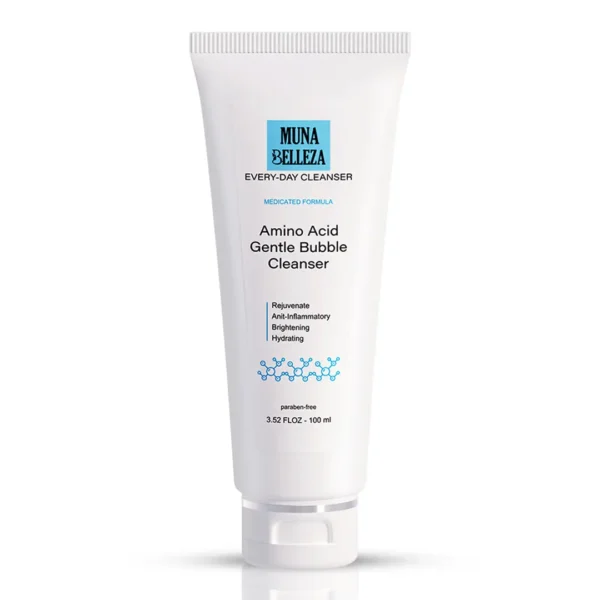 Amino acid cleanser
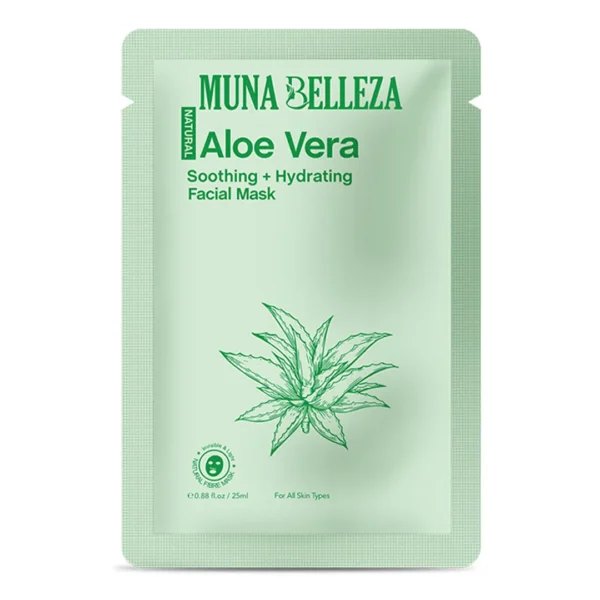 Aloe vera face mask
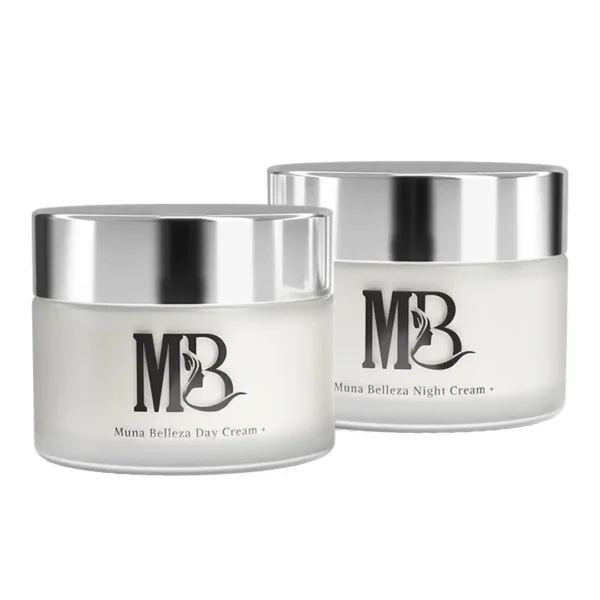 Day and night cream