Dull, rough skin, makeup that clings to dry patches, blackheads that never quite clear: all of these usually come down to dead cells and oil building up on the surface. Exfoliating helps, but only if you pick the right type and don’t overdo it. The question most people get stuck on is AHA vs BHA: which acid suits your skin, and how often should you use it?
This guide explains how to exfoliate your face safely, what alpha and beta hydroxy acids each do, how they compare for acne, dryness and texture, and how to build them into a routine without wrecking your skin barrier in the UAE heat. If your skin stings easily, read our skin barrier guide first. Not sure why your skin feels rough in the first place? Our skin texture guide covers the causes.
Why exfoliate your face at all?
Your skin sheds dead cells on its own, but the process slows with age, sun damage and oiliness, and cells can pile up. Regular, gentle exfoliation of skin can leave it smoother and brighter, help keep pores clear, and let your moisturiser and serums spread more evenly. It isn’t compulsory, though: dermatologists point out that done badly it can cause redness, irritation and even breakouts.
Scrubs vs chemical exfoliants
There are two ways to exfoliate at home:
- Mechanical: scrubs, brushes, sponges and cloths that remove cells by friction. They give instant smoothness, but gritty particles and hard rubbing can scratch facial skin.
- Chemical: acids that loosen the “glue” holding dead cells together so they shed evenly, with no rubbing. A chemical exfoliant is usually the gentler, more controllable choice for the face.
Which suits you depends on your skin type: oily and resilient skin copes with more; dry, sensitive or acne-inflamed skin needs a lighter touch. Gritty DIY scrubs such as sugar or coffee grounds are best kept for the body.
AHA: the surface smoother
Alpha hydroxy acids (AHAs) are water-soluble, so they work mainly on the skin’s surface. The best known are glycolic acid, the smallest and fastest-acting, lactic acid, which is milder and slightly hydrating, and mandelic acid, a larger, gentler option.
AHAs are best for dullness, rough texture, dry or flaky patches, uneven tone and fine lines. Our glycolic acid guide goes into strengths and how to start.
One important caution: AHAs leave skin more reactive to UV light. In US Food and Drug Administration studies, four weeks of AHA use raised sensitivity to UV redness by about 18%, and the effect faded within a week of stopping. Use sunscreen every day while you’re using them and for a week afterwards.
BHA: the pore cleaner
Beta hydroxy acid (BHA) almost always means salicylic acid. Because it’s oil-soluble, it can work inside the pore lining as well as on the surface, and it has a calming, anti-inflammatory effect.
BHA is best for oily skin, blackheads, whiteheads, clogged pores and mild breakouts. The salicylic acid guide on our blog explains strengths and routines in more depth. Expecting a baby or nursing? Ask your doctor whether regular salicylic acid use is right for you.
AHA vs BHA for skin: which do you need?
| AHA | BHA | |
|---|---|---|
| Main examples | Glycolic, lactic, mandelic | Salicylic acid |
| Dissolves in | Water (works on the surface) | Oil (reaches into pores) |
| Best for | Dullness, texture, dryness, uneven tone | Oiliness, blackheads, clogged pores, breakouts |
| Feel | Can tingle; glycolic is the strongest | Usually gentler; calming |
| Sun sensitivity | Yes, use SPF daily | Less, but still wear SPF |
AHA vs BHA for acne: BHA usually wins, because it clears the oil and debris inside pores. If breakouts leave dark marks, an AHA a couple of nights a week can help them fade.
AHA vs salicylic acid for dry skin: lactic or mandelic acid is the kinder choice; salicylic acid can feel drying on its own.
Combination skin can use both: BHA across the forehead, nose and chin, with a mild AHA on dry cheeks, or alternate nights.
AHA vs BHA vs PHA
Polyhydroxy acids (PHAs) such as gluconolactone and lactobionic acid are larger molecules that sink into skin more slowly. They exfoliate more gently and also attract water, so they suit sensitive or dry skin and beginners. Expect slower results than with glycolic or salicylic acid.
How often should you exfoliate your face?
- Oily or breakout-prone skin: begin with BHA on three non-consecutive evenings, moving up to daily only if your skin stays comfortable.
- Normal or combination skin: every second or third evening suits most people.
- Dry skin: once or twice a week with a mild AHA.
- Sensitive skin: no more than weekly, using a PHA or very mild lactic acid, or skip it.
Start low and slow. Signs you’ve gone too far include stinging when you apply moisturiser, tightness, a shiny “plastic” look, redness or flaking. Stop all acids and let your skin recover for one to two weeks. Bumps that appear after starting an acid might be purging rather than a reaction; our skin purging guide explains how to tell the difference.
How to exfoliate your face, step by step
- Cleanse with a gentle, non-stripping face wash and pat dry.
- Apply the acid on dry skin, avoiding the eye area and the corners of the nose and lips.
- Leave it on or rinse, following the product’s directions. Masks and peels have a set time; don’t leave them longer.
- Moisturise to replace water and support the barrier.
- Use sunscreen every morning, especially with an AHA.
Exfoliate in the evening, never on sunburnt, broken or freshly waxed or threaded skin, and not just before a beach day.
Mixing acids with other actives
- AHA vs BHA vs retinol: retinoids also speed up cell turnover. Use them on different nights from acids rather than together, at least at first.
- Benzoyl peroxide and prescription acne creams: ask your doctor or pharmacist before adding an acid on top.
- Vitamin C: keep it for mornings and acids for evenings if your skin is reactive.
- Niacinamide and hydrators such as hyaluronic acid pair well with either acid.
- AHA vs BHA toner or serum? The format matters less than strength and frequency. Choose the one you’ll use consistently.
Our pick: a weekly BHA + AHA mask
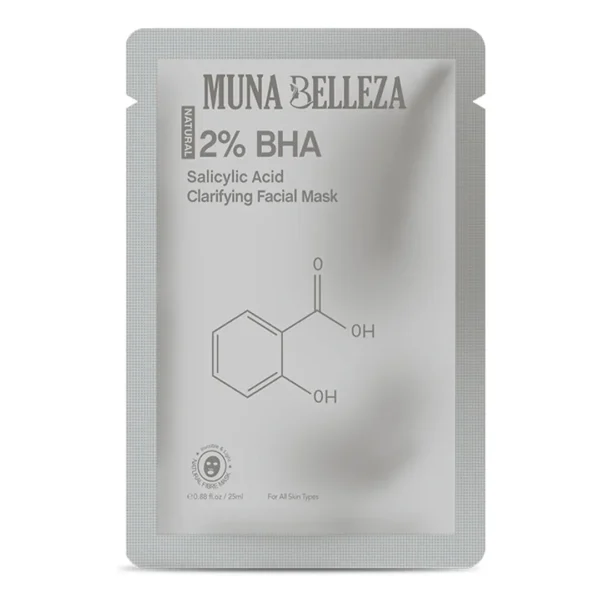
The Salicylic Acid Face Mask we stock is a single-use sheet mask that combines both types of exfoliant: salicylic acid (the pouch is labelled 2% BHA) to work inside pores, and glycolic acid (AHA) to smooth the surface. Glycerin, sodium hyaluronate and betaine add hydration, while allantoin, beta-glucan and licorice-derived dipotassium glycyrrhizate help keep skin comfortable. It suits oily, congested skin with blackheads on the nose and a shiny T-zone.
Use it once a week on clean skin for about 15 minutes, then moisturise, and wear sunscreen the next day. It contains fragrance and witch hazel, so test it along the jawline first if you react easily, and keep retinol and other acids for different evenings. For stubborn congestion, our guides to blackhead removal and whiteheads add more ideas.
Quick answers
Is AHA or BHA better for beginners?
Lactic acid or a PHA is gentlest for dry or sensitive skin. For oily skin, a low-strength salicylic acid is an easy first step.
Can I use AHA and BHA together?
Yes, many products combine them. If you’re using separate products, alternate nights at first and watch for irritation.
Is exfoliation for face safe in summer?
Yes, if you’re strict with sunscreen. Skip it before long beach or desert days, and never exfoliate sunburnt skin; see our guide to sunburn on face.
How long until I see results?
Skin often feels smoother after a few uses. Clearer pores and more even tone usually take four to eight weeks.
Do I still need a scrub if I use acids?
No. Doubling up raises the risk of irritation. Pick one method.
Choose the acid that matches your skin, start slowly and protect it from the sun. Delivery is free across all seven emirates, with card, Apple Pay or cash on delivery.
Looking after oily skin specifically? Our oily skin guide walks through a complete daily plan.
 BHA + AHA mask
 Gentle cleanser
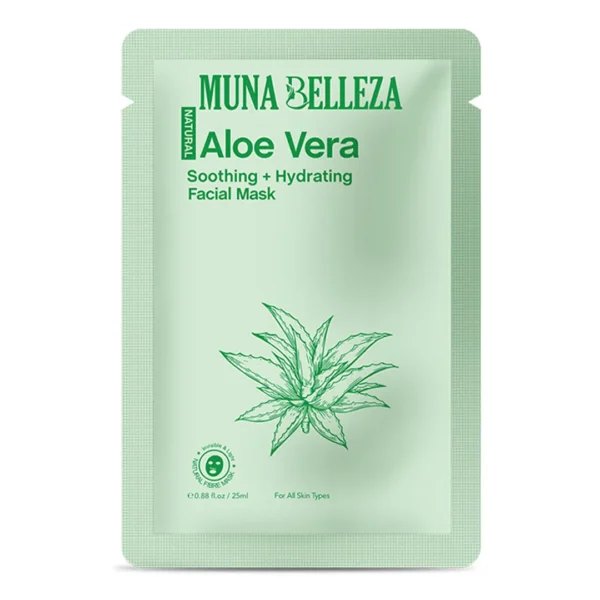 Calming aloe mask