Night is when your skin gets a break from sun, heat, pollution and air conditioning, and it’s the best time to give it the ingredients that are too heavy or too light-sensitive for the day. The best night cream for you is the one that matches what your skin needs while you sleep: more moisture, a brighter tone, smoother lines or calmer skin.
This guide explains what a night cream does, how it differs from a day cream, which ingredients are worth paying for, and how to choose by skin type and age, plus our honest picks. You’ll find our full range of face cream and moisturisers here.
Why use a night cream at all?
Your skin follows a daily rhythm. Research measuring skin over 24 hours found that the barrier lets more water escape in the evening and at night than in the morning. So skin is thirstier overnight, and that’s when a richer moisturiser does the most good.
Night is also when you can use ingredients that don’t suit daytime: retinol and exfoliating acids make skin more sun-sensitive, and some brighteners and vitamin C break down in sunlight. A night cream lets them work for eight hours without UV getting in the way.
The benefits of night cream, in short: better overnight hydration, a smoother and plumper look in the morning, and a time slot for targeted ingredients. It isn’t magic, though. If your day cream already keeps your skin comfortable, a separate night cream is a nice upgrade rather than a must.
Day cream vs night cream: what’s the difference?
- Day cream is usually lighter, sits well under sunscreen and make-up, and may contain antioxidants or SPF.
- Night cream is usually richer, has no SPF (you don’t need it at night), and often carries repair or brightening ingredients that are better used away from the sun.
Can you use a day cream at night? Yes, if it’s comfortable. Can you use a night cream in the day? Only if it’s light enough and you put sunscreen on top, and never if it contains retinol or acids.
Night cream ingredients worth paying for
For hydration and repair
Hyaluronic acid and glycerin pull water in; ceramides, squalane and plant oils such as argan seal it there. Panthenol and allantoin soothe. These suit every skin type.
For brightening and glow
Niacinamide, arbutin, licorice and vitamin C help even out tone and fade the look of dark spots over weeks. More in our niacinamide guide.
For lines and ageing
Retinol is the best-studied ingredient for fine lines; in a controlled study, a low-strength retinol lotion improved fine wrinkles on aged skin. Peptides and gentle AHAs are other options. Start retinol two or three nights a week. Our best anti aging cream guide compares them in detail.
Claims to question
- Collagen night cream benefits: collagen in a cream is a good moisturiser, but the molecules are too large to rebuild your own collagen.
- “Night repair” and “face lifting”: marketing terms with no standard meaning. Look at the ingredients instead.
Choosing by goal
- Best night cream for glowing skin: niacinamide, vitamin C or arbutin with a good hydrator. Glow comes from hydration and an even tone.
- Best night cream for fairness: no cream safely changes your natural skin colour. A brightening night cream fades spots and evens out tone so your skin looks clearer. Avoid any cream that promises several shades lighter. Read skin brightening vs whitening.
- Best night cream for wrinkles and ageing skin: retinol or peptides plus a rich moisturiser.
- Best night cream for your 30s: prevention. Hydration, antioxidants, and retinol a few nights a week.
- Best night cream for your 40s: richer textures, retinol or peptides, and ingredients for pigmentation, which often shows more in your 40s.
- Best hydrating night cream: hyaluronic acid or glycerin plus ceramides or oils, without fragrance if your skin is dry and reactive.
Choosing by skin type
- Oily and acne-prone skin: a light, non-comedogenic gel-cream. Niacinamide is a strong choice because it helps with shine. Skip heavy butters. See best moisturizer for oily skin.
- Dry skin: a richer cream with oils, shea or ceramides. Air conditioning dries skin overnight, so this is where night cream matters most. More in dry skin.
- Sensitive skin: the best night cream for sensitive skin has a short ingredient list and no added fragrance. Introduce actives slowly.
- Combination and normal skin: a medium gel-cream; add a little extra on dry cheeks.
- Women and men: the same rules apply. Men often prefer light, fast-absorbing textures, and beards don’t need cream on them.
Texture: gel-cream, rich cream or sleeping mask?
Korean night creams and sleeping masks are popular for a reason: many use light, bouncy gel-cream textures that hydrate without feeling heavy, which suits the UAE climate well. Rich creams suit dry skin and colder, air-conditioned bedrooms. A sleeping mask is simply a thicker leave-on layer for a few nights a week.
Budget, drugstore, organic or natural? Price and labels say little about results. A well-formulated affordable cream with the right ingredients beats an expensive one that doesn’t suit your skin. “Natural” creams can be lovely, but fragrance and essential oils are a common cause of irritation.
How to apply a night cream
- Cleanse your face properly to remove sunscreen and make-up.
- Apply any serum first, on slightly damp skin.
- Use about a pea-sized amount of night cream for face and neck. Warm it between your fingertips and press it in.
- Massage gently upwards and outwards for 30 seconds if you enjoy it. A face massage cream isn’t needed; your night cream works well for this.
- Give it 10 to 20 minutes before bed so less ends up on your pillow, and change pillowcases often.
See where night cream fits in the full order in our skin care routine guide.
Our picks
Our night cream comes as part of a set with its matching day cream:
- Day and Night Cream Set. The night cream is a light gel-cream with niacinamide, arbutin and vitamin C for a brighter, more even look, plus hyaluronic acid, argan oil and vitamin E for overnight moisture. It contains fragrance, so patch-test first if your skin is sensitive. The day cream (niacinamide and licorice) has no SPF, so add sunscreen in the morning.
- Dark Spot Correcting Serum under your night cream if dark spots are your main concern.
- Collagen Face Mask once or twice a week in the evening for an extra hydration boost.
We don’t make a retinol cream, so if fine lines are your main goal, add a retinol product from a trusted brand on alternate nights.
Common questions
Is a night cream necessary?
Not strictly. If your skin feels comfortable in the morning with your usual moisturiser, you’re fine. A night cream helps most with dry skin, brightening or ageing concerns.
How often should I moisturise my face?
Twice a day for most people: morning and night, after cleansing. Add an extra layer if your skin feels tight in air conditioning.
Can I apply moisturiser after a facial?
Yes, a gentle, fragrance-free one is fine. Skip retinol and acids for a day or two, and follow your therapist’s advice.
Can I use a vitamin C night cream?
Yes. Vitamin C works at night too, and using it in the evening keeps it away from sunlight. Many people prefer vitamin C serum in the morning and a brightening night cream at night.
When will I see results?
Softer, more hydrated skin within days. Changes in tone or fine lines take 8 to 12 weeks of regular use, with daily sunscreen.
Ready to give your skin a better night? Choose a night cream that matches your skin type and goal, with free delivery to every emirate and cash on delivery.
Learn more about our moisturisers and face creams.
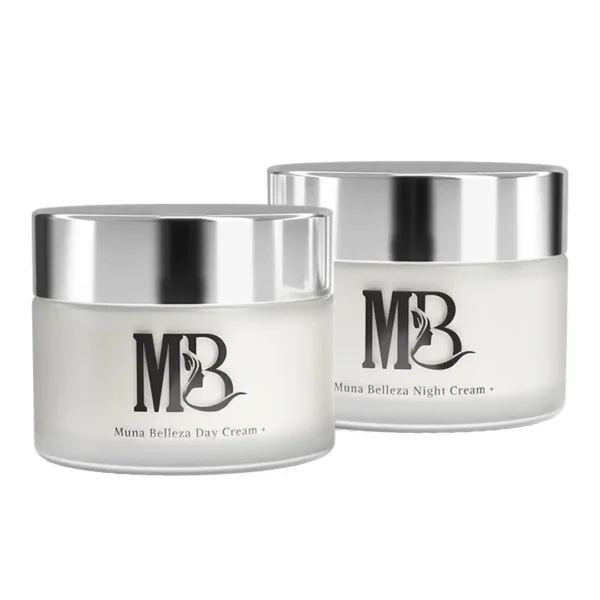 Day and night cream
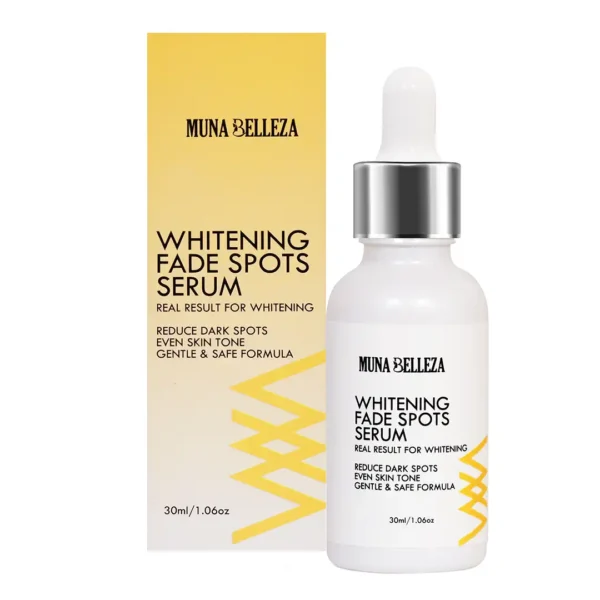 Dark spot correcting serum
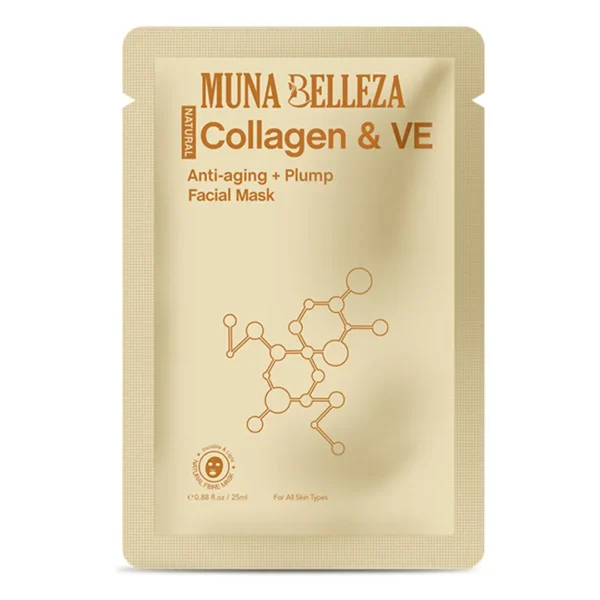 Collagen face mask