Pick up almost any moisturiser and you will find vitamin E somewhere on the label. It has a gentle, trusted reputation, and many of us grew up with a mother or grandmother pricking a capsule and dabbing the oil on a cut. But what does vitamin E for face care really do, and which of the popular claims hold up?
This guide explains how vitamin E for skin works, why it is at its best as a partner to vitamin C rather than a solo star, how to use it without irritation, and where the old home remedies fall short. We will also be open about how much of it our own products contain.
What vitamin E is
Vitamin E is not one molecule but a family of eight fat-soluble compounds: four tocopherols and four tocotrienols. The form your body uses most is alpha-tocopherol, and it is the one you will usually see on ingredient lists.
Your skin already has its own supply. Vitamin E from food reaches the surface through sebum, the natural oil made by your pores, which is why oilier areas such as the forehead and nose hold more of it than dry areas like the arms. Its main job there is to protect the fats in your skin barrier from oxidation.
Vitamin E for face benefits that have real support
- Antioxidant defence. UV rays and city smog generate free radicals, reactive molecules which harm cell membranes, collagen and the lipids that keep skin soft. Vitamin E neutralises some of them before they do harm.
- A softer, more comfortable feel. In creams it works with oils and butters to reduce water loss, so skin feels less tight. This is a moisturising effect, which supports a healthy skin barrier.
- Calmer skin after sun. Lab and small human studies show it can reduce some of the redness and damage from UV, especially when applied before exposure. It is still no substitute for sunscreen.
- Protecting the formula. A quieter benefit: vitamin E stops plant oils in a product from turning rancid, which keeps the product fresher for longer.
Why vitamin E works best with vitamin C
Here is the most interesting part of the science. When vitamin E neutralises a free radical, it becomes “used up”. Vitamin C can recharge it, handing it back its ability to work again. Vitamin C lives in the watery parts of skin and vitamin E in the oily parts, so together they cover more ground.
Studies at Duke University in the early 2000s found that a serum combining vitamins C and E protected skin from UV damage far better than either one alone, and adding ferulic acid made the mix more stable still. That research is why so many antioxidant serums contain the pair. If you are new to the vitamin C side, start with our guide: how vitamin C serums work.
In practice, you do not need both in one bottle. Vitamin C serum at breakfast time, a moisturiser with vitamin E over it, and sunscreen last gives skin the same team.
Tocopherol or tocopheryl acetate: which is better?
You will meet two names on labels:
- Tocopherol is the “free” active form. It works as an antioxidant straight away but breaks down more easily in light and air.
- Tocopheryl acetate is a more stable version made for long shelf life. Skin has to convert it into active vitamin E first, and only a small amount is converted, so its antioxidant effect on the surface is weaker.
Neither is “bad”. Tocopheryl acetate for skin is mainly a conditioning and preserving ingredient, while tocopherol gives more direct antioxidant help. When you see tocopherol in skincare near the end of a list, it is usually there in a small amount to protect the formula as well as your face.
Scars, wrinkles and glow: what to expect
Vitamin E for face scars
This is the most common belief and the weakest one. In a well-known double-blind study from the University of Miami, vitamin E applied to surgical scars made no difference, or a worse result, in 90% of cases, and about a third of patients developed an itchy rash. Later reviews reached similar conclusions. For marks left by spots, see how to tell acne marks from true scars, along with treatments that do work.
Vitamin E for face wrinkles
By reducing daily UV and oxidative damage, vitamin E can help slow the processes that lead to lines. It does not erase wrinkles that are already there. Retinoids and daily sunscreen remain the proven pair for that.
Vitamin E for face glow
Skin that is well moisturised reflects light more evenly, so a cream with vitamin E can make your face look fresher. That glow comes from comfort and hydration, not from brightening. For dark spots, vitamin E alone is not the answer; see our dark spots guide for ingredients that target pigment.
Vitamin E for face: how to use it well
- Choose a finished product over a raw oil. Creams and serums use a balanced amount, often around 0.5 to 1%, with other ingredients that keep it stable.
- Morning is a good time. Antioxidants help most before sun exposure. Apply vitamin C first, then a moisturiser with vitamin E, then sunscreen.
- Pair it with water-binding ingredients. Vitamin E helps seal moisture in but does not add water. Layering it over hyaluronic acid on damp skin gives better hydration.
- Test before full use. Try a small dab on one spot near your jaw, then wait a couple of days, more so if your face reacts easily.
Pure vitamin E oil and capsules on the face
Breaking open a capsule and spreading it on your face is a common tip, but we would not recommend it for daily use. The oil is very thick and can block pores if you are oily or breakout-prone, it oxidises quickly once exposed to air, and contact allergy to vitamin E, while uncommon, is well documented. If you still want to experiment, use a tiny amount mixed into your usual moisturiser on dry areas only, and stop at the first sign of itching or bumps.
Eating vitamin E foods such as almonds, sunflower seeds, spinach and avocado supports your skin from the inside, which is a safer habit than high-dose supplements, which you should only take on medical advice.
Where vitamin E sits in our products
We prefer to be clear about this: we do not sell a vitamin E product, and in our formulas tocopherol appears in the lower half of the ingredient list, in a small amount that protects the oils and adds gentle antioxidant support. Choose these products for their main ingredients, not for vitamin E.
- Dark Spot Correcting Serum: its lead ingredients are niacinamide, arbutin and ergothioneine for uneven tone, joined by green tea and a little tocopherol alongside jojoba and pomegranate seed oils. Fragrance is included.
- Day and Night Cream: its night formula holds both vitamin C (ascorbic acid) and tocopherol with argan oil, so it gives you the C and E partnership in a small dose. The day cream does not contain vitamin E and has no SPF, so keep using sunscreen.
- Collagen Face Mask: a moisture-boosting sheet mask holding hyaluronic acid, peptides and a vitamin C derivative, with tocopherol listed after them. It has added fragrance.
Questions
Can I use vitamin E every day?
Yes. Inside a moisturiser or serum, most people can use it daily without trouble. Raw oil is a different story, as explained above.
Is vitamin E good for oily skin?
Oily skin already gets plenty through sebum, so light formulas are enough. Heavy oils can lead to clogged pores.
Can vitamin E help sunburn?
It may calm mild redness, but cool compresses, a plain moisturiser and time are the main care. Our sunburn on face guide covers aftercare and the signs that need medical help.
Can I mix vitamin E with retinol or niacinamide?
Yes. Vitamin E is easy to combine and often makes active routines feel more comfortable.
Vitamin E is a reliable support player: it protects, softens and helps vitamin C work harder, but it is not a cure for scars or spots. Build it into a simple routine with sunscreen and you will get the best from it. Orders ship free to every emirate, with card, Apple Pay or cash on delivery.
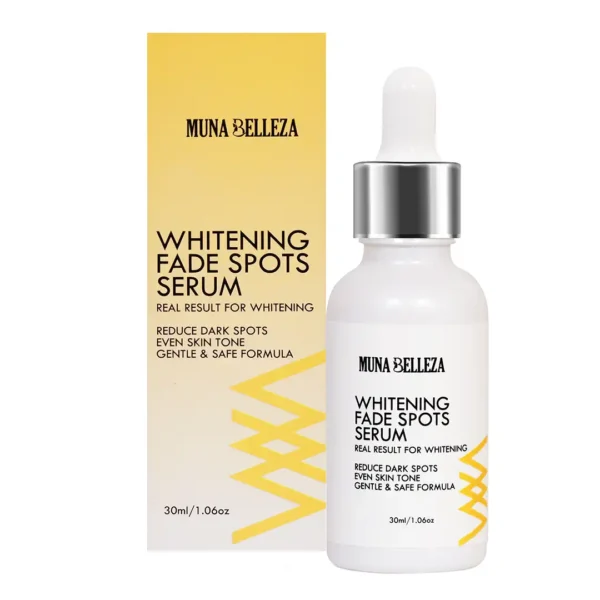 Even-tone serum
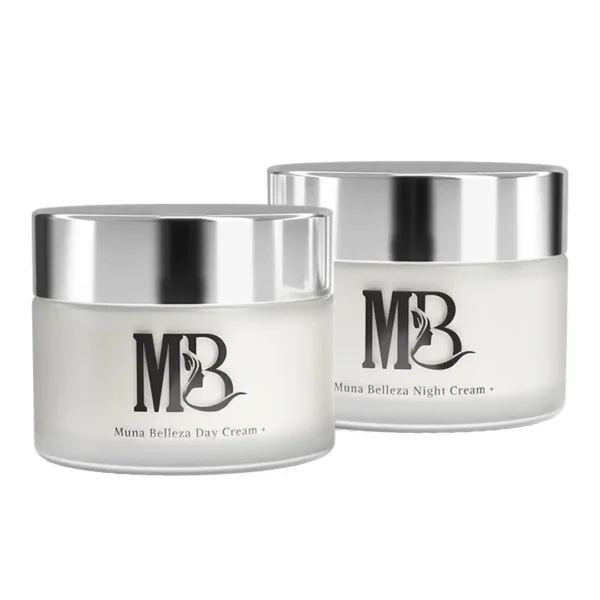 Day + night cream pair
 Hydrating collagen mask