Sun spots are flat patches of colour that appear on skin after years of sun exposure. Most are brown, show up on the face, nose, hands, chest and shoulders, and become more noticeable from your 30s onwards. Some sun damage shows up as small white spots instead. Both are common, especially in sunny climates like the UAE, and both are usually harmless.
This guide explains what brown and white sun spots are, how to tell them apart from freckles, melasma and moles, what actually fades brown sun spots, and when a spot needs a doctor to look at it. If you’re dealing with spots from many causes, our dark spots on face guide covers the bigger picture.
What are sun spots?
Brown sun spots, also called solar lentigines, age spots or liver spots, are small, flat, evenly coloured areas where pigment cells have been switched on by years of UV light. They have nothing to do with the liver; the old name comes from their brown colour.
- Look: flat, light to dark brown, round or oval, from a few millimetres to over a centimetre.
- Where: places that get the most sun – forehead, cheeks, nose, backs of the hands, forearms, chest and shoulders.
- When: usually after 30 to 40, but earlier with lots of sun.
Sun spots don’t fade much on their own, but they can be lightened. You’ll find our full range for fading them in our dark spot remover for face collection.
Sun spots vs freckles, melasma and moles
- Freckles: small, light brown dots that run in families, appear in childhood and get darker in summer and lighter in winter. Sun spots stay all year.
- Melasma: larger, blotchy patches, usually on both cheeks, forehead or upper lip, often linked to hormones. It behaves very differently and needs gentler care. See melasma.
- Post-acne marks: flat spots exactly where pimples were.
- Moles: often raised, can be darker or have hair, and need watching for changes.
White spots from the sun
Searches for white sun spots are common, and they usually mean one of three things:
Small white spots from sun damage
Tiny, flat, bright white spots, 2 to 5 mm, on the shins, forearms and sometimes the face. The medical name is idiopathic guttate hypomelanosis. They’re linked to long-term sun exposure and ageing, are harmless and don’t spread. They don’t usually go away, but sunscreen helps stop new ones and keeps the surrounding skin from tanning, which makes them less obvious.
White patches that show up after tanning
Pale, slightly scaly patches on the chest, back, shoulders or neck that become obvious after time in the sun are often a common yeast overgrowth (pityriasis versicolor), not sun damage. It’s very common in hot, humid weather and is treated with antifungal shampoos or creams from a pharmacy or doctor. The colour can take weeks to even out after treatment.
Pale, dry patches on children’s faces
Slightly rough, pale patches on a child’s cheeks are often pityriasis alba, a mild form of dry, eczema-type skin that shows more after a tan. Moisturiser and sunscreen help.
White patches that spread, have very sharp edges or appear around the eyes, mouth or hands can be vitiligo and should be checked by a doctor.
Why sun spots are so common in the UAE
The UV index in the UAE is high to extreme for much of the year, and it’s sunny almost every day. Sun damage adds up over a lifetime: daily drives with sun through the car window, school runs, beach days and short walks at midday all count. That’s why sun spots on the left side of the face and the backs of the hands are so common in drivers.
How to get rid of brown sun spots
Brown sun spots respond better to treatment than melasma, because they’re more stable and less sensitive to heat and hormones. Expect gradual fading over 8 to 12 weeks with daily care.
1. Daily sunscreen (non-negotiable)
SPF 30 to 50, broad spectrum, every morning on face, neck and the backs of your hands, reapplied when you’re outside. Without it, spots darken again as fast as you fade them.
2. Retinoids
Prescription tretinoin has good evidence: in a controlled trial, people with sun-related “liver spots” saw them lighten significantly after months of nightly use. Over-the-counter retinol works more slowly but follows the same idea.
3. Brightening ingredients
- Vitamin C in the morning for antioxidant protection and gradual brightening. See our best vitamin C serum guide.
- Niacinamide to reduce how much pigment reaches the surface. See niacinamide.
- Arbutin or alpha arbutin to slow pigment production. See alpha arbutin.
4. Gentle exfoliation
A glycolic acid product two or three evenings a week helps lift pigmented surface cells. Our glycolic acid guide explains how to start.
Home remedies for sun spots
Lemon juice, apple cider vinegar and toothpaste can irritate skin, and lemon on sun-exposed skin can even cause new dark marks. Aloe vera is soothing but won’t fade sun spots on its own. Stick to proven ingredients and sunscreen.
In-clinic treatments
The best way to remove sun spots on the face quickly is often in a clinic. Cryotherapy (freezing), IPL and pigment lasers can clear individual sun spots in one to three sessions, unlike melasma, which lasers can make worse. These should be done by a dermatologist or experienced specialist after a proper check that the spot is a harmless sun spot. Sunscreen afterwards is essential.
Preventing new sun spots
- Sunscreen every day, including on cloudy days and in the car.
- Reapply every two to three hours outdoors.
- Hats, sunglasses and shade between 10 am and 4 pm.
- Don’t forget the backs of your hands, ears, neck and chest.
Want the full routine for fading and preventing spots? See our hyperpigmentation guide.
When a spot needs a doctor
Most sun spots are harmless, but skin cancer can look like a spot. Ask a dermatologist to check any spot that follows the ABCDE signs:
- Asymmetry: the two halves don’t match.
- Border: ragged, blurred or uneven edges.
- Colour: several shades, or black, red, blue or white areas.
- Diameter: bigger than about 6 mm.
- Evolving: changing in size, shape or colour, or itching, bleeding or not healing.
Also get checked if one spot looks very different from all your others, or if a flat brown patch on the face keeps growing. Have spots checked before any laser or IPL treatment.
Our picks
- Dark Spot Correcting Serum: niacinamide with arbutin and hyaluronic acid, used every evening on the whole face, not just the spots. It contains a light fragrance, so patch-test first.
- Double Vitamin C Serum: ascorbic acid with hydrating ingredients and no added fragrance, for mornings under sunscreen.
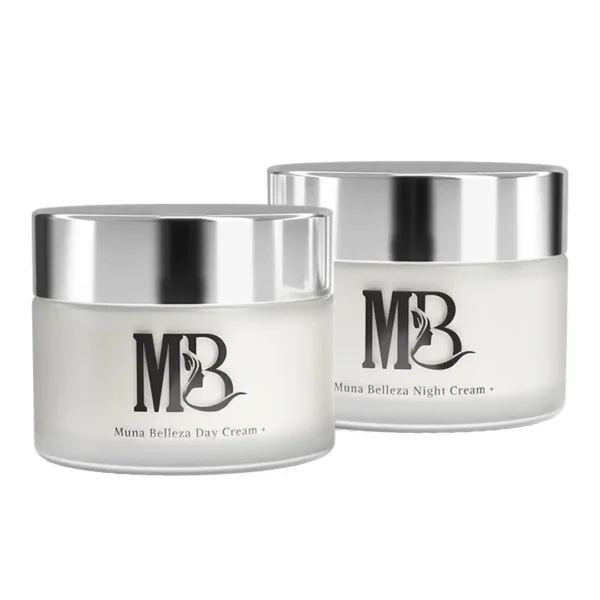
- Day and Night Cream Set: niacinamide and licorice by day, arbutin and vitamin C at night. The day cream has no SPF, so always add sunscreen.
We don’t make a sunscreen or a retinol product, so pair our serums with those from brands you trust.
Common questions
Do sun spots go away on their own?
Rarely. They may lighten a little if you protect your skin well, but most need active treatment to fade noticeably.
Are sun spots cancerous?
Ordinary sun spots are harmless. But they’re a sign of sun damage, and skin cancer can look similar, so any changing or unusual spot should be checked.
Why do I have sun spots on my nose?
The nose sticks out and gets the most direct sun, and sunscreen often wears off there first. Reapply on the nose more often.
Can white sun spots be reversed?
Small white spots from sun damage usually stay, but they’re harmless and sunscreen stops new ones. White patches from a yeast overgrowth do clear with the right treatment.
How long does it take to fade sun spots?
About 8 to 12 weeks of daily treatment for a visible change. In-clinic treatments are faster.
Start with daily sunscreen and one proven brightening serum, and give it a few months. Our serums come with free delivery to every emirate and cash on delivery.
Learn more about our products for dark spots and pigmentation.
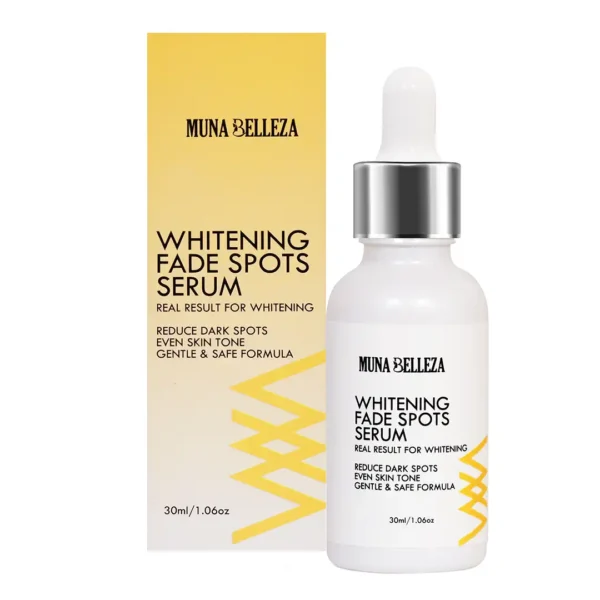 Dark spot correcting serum
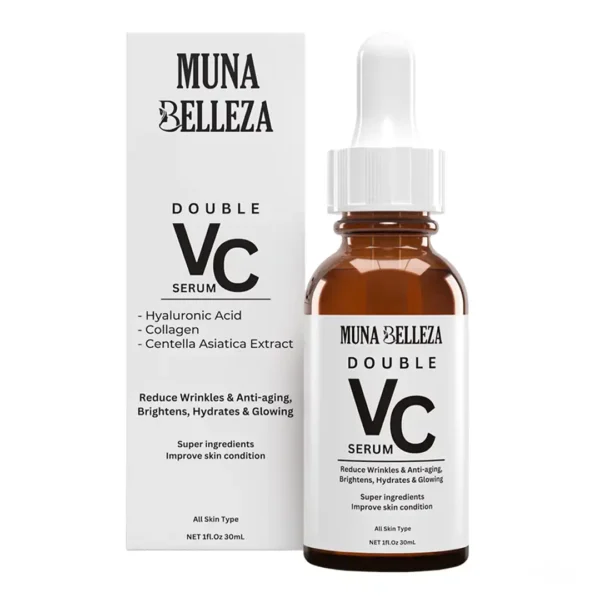 Vitamin C serum
 Day and night cream