It often starts as a faint shadow above the lip that looks like it might be the light. A few months later the same shade sits on both cheeks and across the forehead, and it gets darker every summer. That is how melasma usually shows up, and in a sunny country like the UAE it is one of the most frustrating skin concerns there is. Clinics advertise lasers, social media sells “melasma removal in 7 days”, and every friend has a cream to recommend. So which melasma treatment is actually worth your time and money?
The honest answer is that melasma is managed, not erased. The people who see the best results understand what feeds it (light, heat and hormones), protect their skin every single day, and use gentle brightening ingredients for months rather than weeks. This guide explains each of those steps clearly. If you already know your patches are melasma and want to start a brightening routine today, browse our dark spot remover for face collection.
What is melasma?
Melasma is a long-lasting pigment condition in which the pigment cells (melanocytes) in certain areas of the face become overactive. Instead of making melanin only when the sun calls for it, they stay “switched on” and keep producing extra pigment. The result is flat, brown to grey-brown patches with soft, blurry edges.
A few facts help put it in perspective:
- It is harmless. Melasma is not cancer, not an infection and not contagious. It is a cosmetic concern, even though it can affect confidence a great deal.
- It mostly affects women. Around nine out of ten people with melasma are women, usually between their twenties and fifties.
- It is common in Arab, South Asian, Persian and Latin skin. Medium to olive and brown skin tones have more active pigment cells, so they are more likely to develop it.
- It runs in families. In a large international survey, close to half of the people with melasma had a relative with the same condition.
Research also shows that melasma is not only a pigment problem. The skin in these patches often has more small blood vessels and signs of sun damage in the deeper layer, which is one reason it responds slowly and comes back easily.
What melasma on face looks like
Many people search for pictures of melasma on face because they are not sure what they are seeing. Instead of a photo, here is what dermatologists look for:
- Symmetry. Melasma almost always appears on both sides of the face in a near mirror image. One single spot on one cheek is rarely melasma.
- Patches, not dots. The marks are wide, map-like areas with irregular edges, not round spots.
- Colour. Light melasma is tan or light brown; deeper melasma looks grey-brown or slightly blue-grey.
- Flat surface. You can see it but you cannot feel it. Raised or rough spots point to something else.
The three usual patterns
- Centre of the face (most common): forehead, cheeks, nose, upper lip and chin.
- Cheeks and nose: patches across the cheekbones and the bridge of the nose.
- Jawline: along the lower cheeks and jaw, more often seen in women over 40.
Melasma on the forehead and upper lip is often mistaken for a tan line or a shadow from facial hair. It can also appear outside the face, on the forearms, neck or upper chest, especially in skin that sees a lot of sun.
Melasma vs hyperpigmentation and freckles
The difference between melasma and hyperpigmentation is simple: hyperpigmentation is the big family name for any skin that is darker than your usual tone, and melasma is one member of that family. Acne marks, sun spots and freckles are other members. Our full guide to hyperpigmentation covers all of them; here is how to tell melasma apart from the two it is most often confused with.
Melasma vs freckles
Freckles are small (a few millimetres), scattered, usually appear in childhood and fade a lot in winter. Melasma appears in adulthood, forms larger connected patches and, although it lightens in cooler months, rarely disappears.
Melasma vs sun spots
Sun spots (solar lentigines) are sharp-edged, round or oval brown spots, often on the cheeks, hands and shoulders after years of sun. Each spot has a clear border. Melasma has hazy borders and spreads in a pattern. Sun spots usually respond to brightening or clinic treatment and stay away longer; melasma tends to return.
Because the treatments are different, a confident diagnosis matters. If you are unsure, a dermatologist can tell in a few minutes, often with a special lamp or a skin scope.
What causes melasma
There is no single cause of melasma. It appears when someone with a natural tendency meets one or more triggers. These are the melasma causes with the best evidence:
Ultraviolet and visible light
UV rays are the main trigger, but not the only one. A study in the Journal of Investigative Dermatology showed that visible light, the ordinary light we see, produces darker and longer-lasting pigment than UVA in medium and brown skin. Standard clear sunscreens block UV but let most visible light through, which explains why some people wear SPF daily and still see their melasma darken.
Heat
Heat on its own seems to wake up pigment cells. Long hours in a hot kitchen, saunas, steam rooms, hot yoga, or walking from an air-conditioned mall into 45°C heat can all make patches look darker, even without direct sun.
Hormones
Pregnancy, the contraceptive pill, hormonal coils and hormone therapy can all start melasma. That is why it is called “the mask of pregnancy”. Some studies also link melasma with thyroid conditions, so if you have other symptoms like tiredness or weight changes, mention it to your doctor.
Irritation and certain products
Anything that inflames the skin can make melasma worse: harsh scrubs, strong peels at home, perfumed products that sting, and some medicines that make skin more sensitive to light. Irritated pigment cells respond by making more melanin.
Melasma in men
About one in ten people with melasma are men. In men the main triggers are usually sun and outdoor work rather than hormones, and family history plays a strong role. Treatment is the same.
Does melasma go away?
Sometimes, yes. Melasma that begins in pregnancy or after starting the pill often fades within a year after the baby is born or after stopping the hormone, though not in everyone. Melasma caused mainly by sun and genetics usually stays unless it is treated, and even after it fades it can return with one careless summer.
A realistic way to think about it: melasma is like a tendency to sunburn. You cannot remove the tendency, but you can control it so well that the patches become very light or hard to see. Most people notice the first change after 8 to 12 weeks of consistent care, with steadier improvement over 6 months.
Melasma treatment, step by step
Dermatologists usually treat melasma in layers. Each step adds to the one before it; none of them replaces daily sun protection.
Step 1: Protection from light and heat
This is the foundation of every melasma treatment. Use a broad-spectrum sunscreen of SPF 30 or higher every morning, and choose a tinted formula with iron oxides, because the tint is what blocks visible light. In a clinical trial, people with melasma who used a sunscreen protecting against UV and visible light improved more than those using a UV-only sunscreen. Reapply every two to three hours outdoors, add a wide-brimmed hat, and remember that side car windows may let UVA through on long drives.
Step 2: Gentle brightening ingredients
These work on the pigment process at different points and are suitable for daily use:
- Niacinamide: slows the transfer of pigment to the skin surface and calms redness. In one trial, 4% niacinamide improved melasma less than 4% hydroquinone, but with clearly fewer side effects. Read more in our niacinamide guide.
- Tranexamic acid: applied to the skin, it calms the signals that switch pigment cells on and may also reduce the redness from blood vessels in melasma patches. Small studies show good results with few side effects.
- Azelaic acid: reduces overactive pigment cells and is one of the options dermatologists consider during pregnancy.
- Arbutin and licorice extract: plant-derived brighteners that slow melanin production gently.
- Vitamin C: an antioxidant that supports brightening and helps defend skin against light damage.
Step 3: Prescription creams
For moderate or stubborn melasma, dermatologists often prescribe a “triple combination” cream of hydroquinone, a retinoid and a mild steroid, or hydroquinone alone. These work well but must be used in cycles under supervision. Some doctors also prescribe tranexamic acid tablets for severe cases; they are not suitable for everyone, especially people with a history of blood clots.
Step 4: Clinic procedures
Light chemical peels, microneedling and selected lasers can help some people, but they come with a real risk of making melasma darker, especially on brown skin and in hot weather. The best results come from experienced clinics that prepare the skin first and keep heat low. Be cautious with any clinic that promises one-session removal.
A daily routine for melasma-prone skin
Melasma skin is reactive, so the best routine is short, gentle and steady.
Morning
- Lukewarm water or a mild, non-foaming or low-foaming cleanser. Hot water adds heat.
- A brightening serum such as our dark spot correcting serum with niacinamide and arbutin. Melasma has hazy edges, so cover the whole zone around each patch. The serum contains a light fragrance, so patch-test it on the jaw for two days first.
- A light moisturiser. Our day cream contains niacinamide and licorice but no SPF, so it always needs sunscreen on top.
- Tinted sunscreen, generously: about two finger-lengths for face and neck.
Evening
- Cleanse off sunscreen and makeup gently.
- Brightening serum again, or a night cream with arbutin and vitamin C on alternate nights.
- Once or twice a week, a calming brightening sheet mask such as one with tranexamic acid.
By season: from May to September, when UV and heat peak in the Gulf, keep the routine strict and skip any new active that stings. The cooler months are the best time to add a stronger step, such as a clinic peel, because the skin is under less pressure.
A tip from experience: take a photo of your face in the same window light every four weeks. Melasma fades so slowly that you will not notice it in the mirror, and photos stop you from giving up too early.
Natural treatment and home remedies: an honest verdict
Searches for how to remove melasma naturally are very common, and it is easy to see why. Here is what the evidence says:
- Lemon juice: skip it. The acid irritates, and lime or lemon on skin followed by sun can cause dark burns that look worse than melasma.
- Apple cider vinegar: too acidic and unpredictable; it can burn and leave new marks.
- Aloe vera: soothing, and one small study in pregnant women found an aloe preparation helped. Plain gel is a safe, gentle add-on, not a treatment by itself.
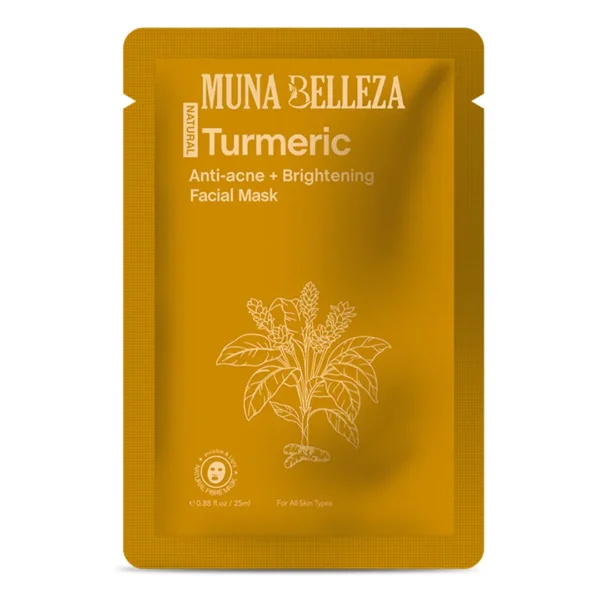
- Turmeric paste: raw turmeric stains skin and can irritate. Turmeric in a tested skincare product is more practical.
- Oils and essential oils: no oil treats melasma, and citrus essential oils like bergamot can trigger pigment in the sun.
- Vitamins and supplements: there is no proven vitamin for melasma. Some early research on a fern extract (Polypodium leucotomos) and oral antioxidants looks promising, but collagen drinks have no evidence for melasma.
The most effective natural step is free: shade, a hat and a tinted sunscreen.
Creams and shortcuts to avoid
Melasma makes people desperate, and that creates a market for risky products. Be careful with:
- Unlabelled “fairness” or “melasma” creams sold online or from social media. The World Health Organization warns that some skin-lightening creams contain mercury, which can damage the kidneys and nervous system.
- Hydroquinone or steroid creams used without a doctor. Long, unsupervised use can thin the skin or cause ochronosis, a blue-black darkening that is much harder to treat than melasma.
- “Instant” results. A cream that removes melasma in days is either hiding it or bleaching and damaging the skin.
Melasma in pregnancy and after birth
Between 15% and 50% of pregnant women notice some melasma. During pregnancy, focus on protection: tinted mineral sunscreen, shade and a gentle routine. Many doctors are comfortable with azelaic acid in pregnancy, while hydroquinone, retinoids and tranexamic acid tablets are usually avoided. Always check with your doctor before using any active product while pregnant or breastfeeding.
After delivery, give your skin a few months. If patches are still visible after six months, it is a good time to start a brightening routine or see a dermatologist.
When to see a dermatologist
- You are not sure the patches are melasma, or they are on one side only.
- A spot is raised, changing quickly, bleeding or has several colours.
- Three months of daily sunscreen and brightening care have made no difference.
- The melasma is deep (grey-blue) or covers large areas and affects your confidence.
- You are thinking about prescription creams, tablets, peels or lasers.
Common questions
Does melasma spread?
It is not contagious and does not spread from person to person. On your own face, patches can grow larger or darker with more sun, heat or hormonal change, which can look like spreading.
How long does melasma take to go away?
With good protection and brightening care, expect visible lightening in 2 to 3 months and the best results after 6 months or more. Deeper, older melasma takes longer and may not clear completely.
Can acne treatments make melasma worse?
They can if they irritate. Melasma and acne often appear together in adults; choose gentle acne care and avoid picking, because every inflamed pimple can leave a new mark on top of the melasma.
What is the best cream to treat melasma?
For mild melasma, a cream or serum with niacinamide, tranexamic acid, azelaic acid or arbutin, used daily with tinted sunscreen. For moderate to severe melasma, a prescription cream from a dermatologist is usually the most effective.
How can I cover up melasma?
A tinted sunscreen already evens out the tone and protects at the same time, so for light melasma it may be all you need. For darker patches, press a little foundation over the sunscreen only where needed, rather than one heavy layer that slides off in the heat.
Can you cure melasma from the inside?
Not with diet alone. Oral tranexamic acid prescribed by a doctor can help severe melasma, and a balanced diet rich in fruit and vegetables supports skin health, but no food or supplement replaces sun protection.
Ready to build your routine? Our Korean brightening serum, day and night cream and tranexamic acid sheet mask come with free delivery across the UAE and cash on delivery.
Learn more about products for melasma and dark spots.
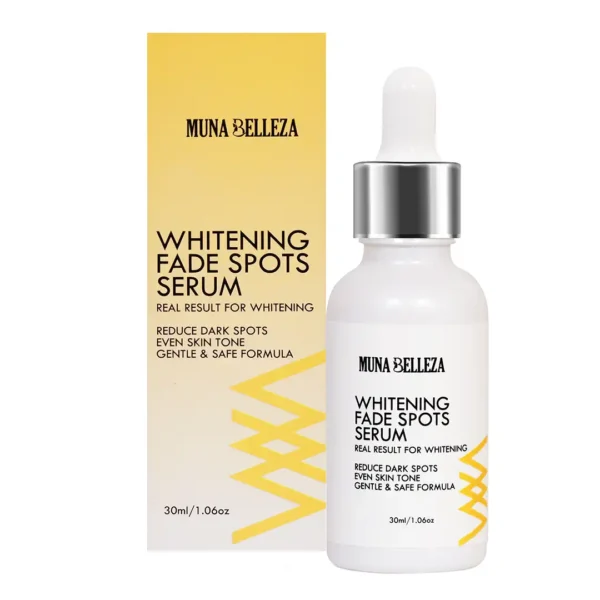 Serum for melasma
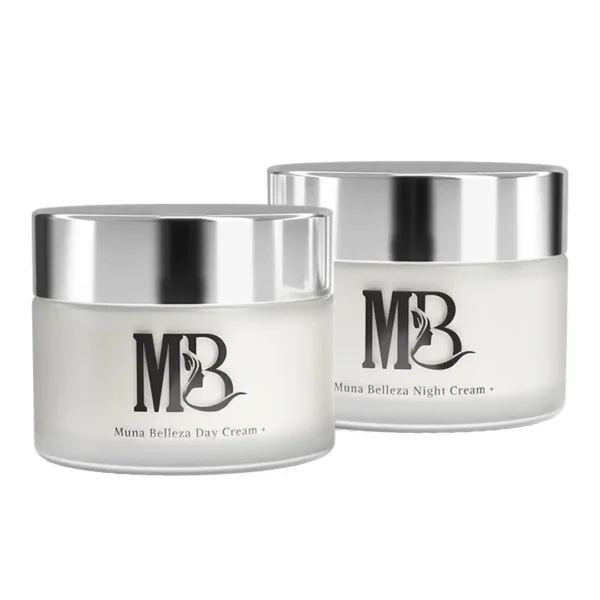 Day and night cream
 Tranexamic acid mask