If you’ve looked at brightening serums lately, you’ve probably seen alpha arbutin on the label, often as “alpha arbutin 2%”. It has become one of the most popular ingredients for dark spots in the UAE because it fades marks steadily without the irritation of stronger lighteners. But what does it actually do, how long does it take, and what can you mix it with?
This guide answers those questions plainly, so you know what to expect before you buy. If you already know you want it, browse our range of arbutin in skin care, made in Korea and paired with niacinamide and vitamin C.
What is alpha arbutin?
Arbutin is a natural compound found in the leaves of the bearberry plant, as well as in pears and some other plants. Chemically, it is a molecule of hydroquinone bound to a sugar (glucose). Beta arbutin is the form found in plants. Alpha arbutin is a slightly different form made in a lab using enzymes; it is more stable and, in lab studies, works at lower strengths than beta arbutin.
Because the hydroquinone part is bound to sugar, arbutin acts far more gently than hydroquinone itself, which is a prescription medicine in the UAE.
How alpha arbutin works
Dark spots form when skin cells called melanocytes make too much melanin, often after sun exposure, a pimple or hormonal changes. Melanin production depends on an enzyme called tyrosinase. Alpha arbutin slows this enzyme down, so less new pigment is made. It doesn’t bleach existing skin or remove pigment that’s already there; instead, as the skin naturally renews, spots fade because less pigment replaces them.
That’s why consistency matters more than strength, and why sunscreen is essential: sun exposure keeps switching pigment production back on.
Alpha arbutin benefits for skin
- Fades dark spots from sun, age and acne marks.
- Evens out patchy tone and dullness for a brighter look.
- Helps melasma-type patches as part of a dermatologist-guided plan.
- Gentle: rarely irritates, so it suits sensitive skin and darker skin tones that mark easily.
- Plays well with others: it can be used morning and night and combined with most ingredients.
For a wider look at the causes of spots, see our guides to hyperpigmentation and dark spots on face.
Alpha arbutin vs arbutin, hydroquinone and niacinamide
- Alpha vs beta arbutin: both slow pigment production. Alpha arbutin is more stable and effective at lower amounts; beta arbutin is used at higher percentages.
- Alpha arbutin vs hydroquinone: hydroquinone is stronger and faster but can irritate and, with long use, cause a grey-blue darkening; it should only be used with a prescription. Alpha arbutin is slower but suitable for everyday, long-term use.
- Alpha arbutin vs niacinamide: they work at different steps. Alpha arbutin reduces how much pigment is made; niacinamide stops pigment from moving into the surface cells. That is why they are often paired, as in our dark spot correcting serum. Read more in our niacinamide guide.
Is 2% the right strength?
The European Commission’s Scientific Committee on Consumer Safety (SCCS) considers alpha arbutin safe in face creams up to 2% and in body lotions up to 0.5%. That is why most serums sell it as “alpha arbutin 2%”. Higher isn’t better: a well-made 1–2% product used daily works, and products marketed at 3% or more go beyond the strength that has been assessed as safe for the face.
How to use alpha arbutin
- Apply to clean skin once or twice a day, as a serum or in a moisturiser.
- Use it on the whole face, not just the spots, for an even result.
- Follow with moisturiser, and in the morning, broad-spectrum sunscreen SPF 30 or more.
- Patch test first if you have sensitive skin.
- Be patient: most people see results after 8 to 12 weeks; deeper patches can take longer.
What to mix it with
- Vitamin C: yes. Vitamin C in the morning and alpha arbutin morning or night is a classic brightening pair. Our vitamin C serum works well alongside it.
- Niacinamide: yes, an excellent pairing.
- Glycolic acid and other AHAs: yes, but use the acid at night a few times a week and keep arbutin daily. See our glycolic acid guide.
- Retinol: yes, at night, once your skin is used to the retinol.
- Hydroquinone: don’t combine on your own; follow your dermatologist.
Side effects and who should be careful
Alpha arbutin is well tolerated by most people. Possible side effects are mild: slight redness, dryness or a tingling feeling, usually from the other ingredients in the formula. It doesn’t usually cause acne, but a heavy cream base can clog pores in oily skin, so choose a light serum if you are breakout-prone. If you are pregnant or breastfeeding, check with your doctor before starting any brightening product. Stop if you notice irritation that doesn’t settle, or darkening.
Our day and night cream set also contains arbutin in the night cream, along with vitamin C; the day cream has no SPF, so add sunscreen.
Common questions
What does alpha arbutin do for skin?
It slows down melanin production, so dark spots and uneven patches fade gradually and new ones form less easily.
Can I use alpha arbutin and vitamin C together?
Yes. They work in different ways and complement each other. Apply the thinner product first.
Does alpha arbutin lighten your natural skin colour?
No. It reduces extra pigment such as spots and patches; it doesn’t change your natural skin tone.
How long does alpha arbutin take to work?
Expect early changes at about 4 to 6 weeks and clearer results at 8 to 12 weeks, as long as you wear sunscreen every day.
Ready to fade dark spots gently? Our arbutin serum and creams are made in Korea, with free delivery to every emirate and cash on delivery available.
Learn more about our dark spot products.
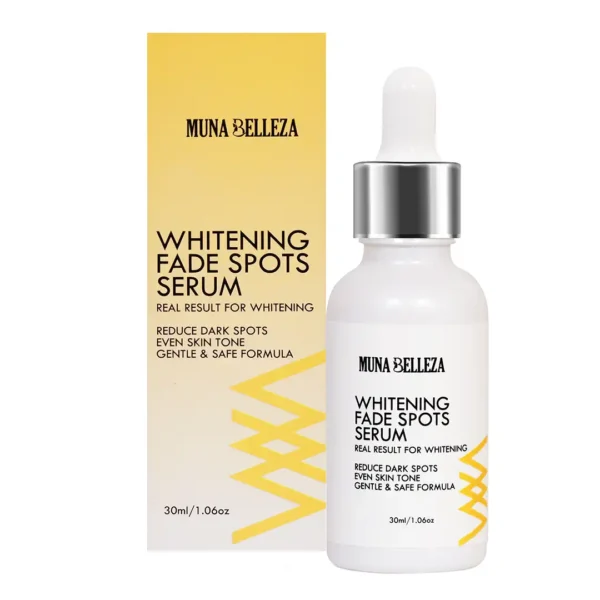 Alpha arbutin serum
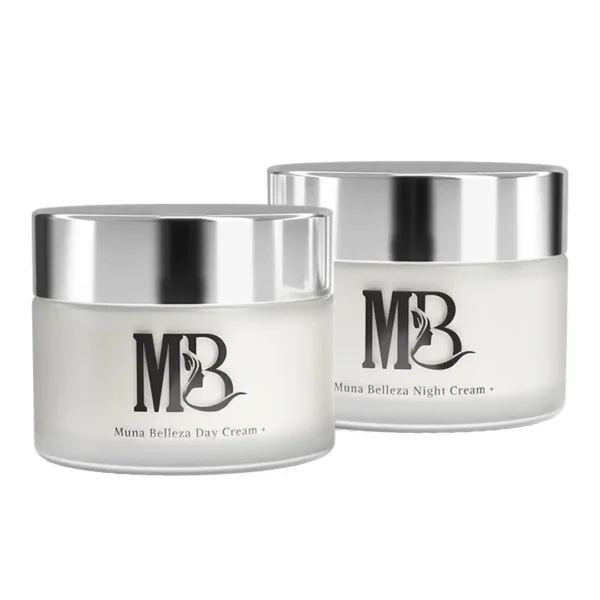 Arbutin night cream set
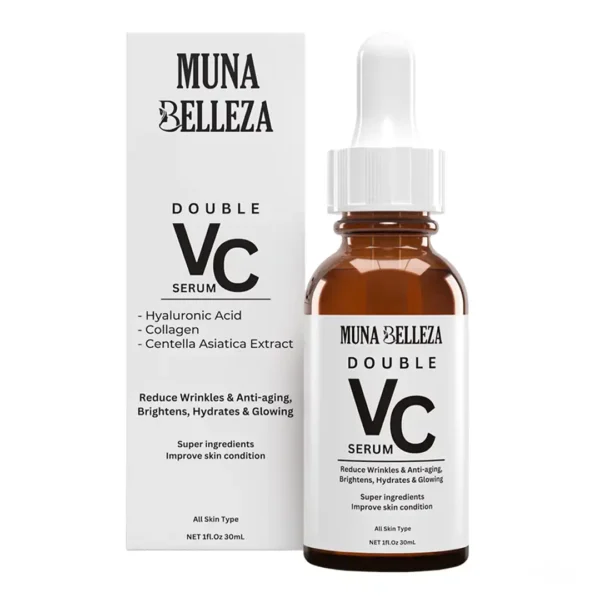 Vitamin C serum