Hyaluronic acid is one of the few skincare ingredients that suits almost everyone. Oily, dry, sensitive or acne-prone, most skin feels better with it. Its job is simple: it holds water in the top layers of skin, so your face looks smoother and feels more comfortable. The hyaluronic acid benefits you will feel are mainly about hydration. It won’t fade dark spots or replace a filler.
In the UAE that matters more than you might think. We go from humid outdoor heat to dry office AC several times a day, and skin often ends up tight and dull by the afternoon. Below we explain what hyaluronic acid really does, how to apply it so it works in dry air, what you can mix it with, and the honest limits. If you’d like to shop straight away, our hyaluronic acid skincare in Dubai collection shows every product that contains it.
What is hyaluronic acid?
Hyaluronic acid (often shortened to HA) is a sugar-based molecule your body makes on its own. It is found in skin, joints and eyes, and roughly half of the body’s supply sits in the skin. There it acts like a sponge between cells, holding water and keeping skin plump.
Your skin makes less of it with age, and sun damage speeds that up. Skincare can’t put it back deep inside the skin, but applied on the surface it still hydrates the outer layers, and that is where you see and feel the difference.
The HA in skincare today is mostly made by fermentation (with bacteria), not taken from animals.
What does hyaluronic acid do for skin?
It is a humectant, meaning it attracts water and holds it. You will often read that it holds “up to 1,000 times its weight in water”. That figure comes from lab tests. On your face it simply means a small amount gives a lot of hydration, without oil or a heavy feel.
- Hydrates the top layer of skin, so it feels soft rather than tight.
- Makes fine dryness lines look softer, because hydrated skin reflects light more evenly.
- Feels light, so it works under makeup and in hot weather.
- Is gentle. It is rarely the cause of irritation, which makes it easy to pair with stronger actives.
In one 60-day study, creams with 0.1% HA improved skin hydration and elasticity, and the lower-weight forms also reduced the depth of fine wrinkles (see the references below). That’s a real but modest effect. Think “smoother and fresher”, not “years younger”.
Hyaluronic acid benefits for face, by skin type
Hyaluronic acid for dry skin
Dry skin gets the most from it, but only when it’s sealed in. The serum adds water; a cream with oils or butters stops that water escaping. Use both. Our guide to the best moisturizer for dry skin explains how to choose the cream part.
Oily and acne-prone skin
Oily skin can still be dehydrated (shiny yet tight). A light HA serum gives water without oil, so you may need less heavy cream. It doesn’t clog pores on its own, but check the rest of the formula. It is not an acne treatment either. For breakouts, look at ingredients such as salicylic acid.
Sensitive skin
Usually well tolerated. Pick a formula with a short ingredient list and patch test first, because any irritation usually comes from fragrance or other ingredients, not from the HA itself.
Mature skin
Hydration makes fine lines look softer, and HA works well next to ingredients with more evidence for ageing skin, such as retinol and daily sunscreen.
Types of hyaluronic acid on the label
Look for these names in the ingredient list (INCI):
- Hyaluronic acid: the pure form.
- Sodium hyaluronate: the salt form. It is smaller and more stable, and it’s the most common one in serums. In practice it does the same job.
- Hydrolyzed hyaluronic acid: broken into small pieces, so it reaches a little deeper into the outer layer.
Molecular weight also matters. Large molecules stay on top and form a smoothing, moisture-holding film. Smaller ones go a little deeper into the outer layer. Many serums mix several sizes. Some research suggests very small fragments can be more irritating for a few people, so if your skin is reactive, a simple formula is a safer start.
Percentages are often lower than people expect, and that’s fine. Most serums use well under 2%, because more doesn’t hydrate better and can feel sticky.
How to use hyaluronic acid on your face
- Cleanse with a gentle face wash.
- Keep skin slightly damp. Pat with a towel, don’t rub dry, or mist your face with water.
- Apply 2–3 drops of serum and press it in with your palms.
- Seal it with moisturizer within a minute or two.
- Morning: finish with sunscreen.
When to use it: morning, night or both. It is gentle enough for daily use, twice a day if you like. Many people in the UAE use it in the morning before AC-heavy days and again at night.
Under the eyes: yes, it is gentle there. Pat a small amount around the orbital bone and keep it out of the eyes.
Does hyaluronic acid dry out skin?
It can feel that way, and the reason is the air. A humectant pulls in water from wherever it can. In humid air that’s easy. In very dry air, like an office or car with strong AC, there is little water around, so a thin layer of serum on dry skin can leave your face feeling tight.
The fix is in the steps above: apply it to damp skin and always seal it with a moisturizer. If your skin still feels tight, your skin barrier may need more support from a richer cream, and our dry skin guide covers the full routine.
What to mix with hyaluronic acid
Almost everything. It doesn’t react with other actives, which is why it’s in so many formulas.
Can I use hyaluronic acid with vitamin C?
Yes, and they work well together: vitamin C for brightness and antioxidant support, hyaluronic acid for hydration. We cover the order and timing in hyaluronic acid and vitamin C. New to vitamin C? Start with what is a vitamin C serum.
Can you use niacinamide with hyaluronic acid?
Yes. Niacinamide helps with oil, the look of pores and uneven tone, and the two are often in the same serum. More pairings are in what to mix with niacinamide.
Can retinol and hyaluronic acid be used together?
Yes. Retinol can cause dryness and peeling in the first weeks, and HA helps your skin feel more comfortable. Apply retinol at night, then a hydrating serum or a moisturizer that contains hyaluronic acid.
Glycolic and salicylic acid
Fine together. Exfoliating acids such as glycolic acid can leave skin feeling dry, and HA helps balance that. Use the acid first, wait a minute, then hydrate.
What hyaluronic acid can’t do
- Does hyaluronic acid remove dark spots? No. It can make skin look fresher, but it doesn’t affect pigment. For spots, look at niacinamide, arbutin or vitamin C, plus daily sunscreen.
- It isn’t a filler. Injectable fillers are a different, cross-linked form placed under the skin by a doctor. A serum cannot add volume.
- It won’t remove acne scars. Dented scars need professional treatment. Hydration can make texture look a little smoother for a few hours.
- It doesn’t protect from the sun. Sunscreen is still the most important step in the UAE.
Hyaluronic acid side effects
Topical HA is one of the best-tolerated ingredients there is. Rare reactions (redness, itching, small bumps) usually come from other parts of the formula, such as fragrance or preservatives. Patch test on your jaw or inner arm for two days before using a new product on your whole face. Stop if your skin stings for more than a few seconds or stays red.
Pregnant or breastfeeding? Topical HA is generally seen as a low-risk ingredient, but check the full product with your doctor, especially if it also contains retinoids.
Our picks with hyaluronic acid
We’d rather be honest than list ten products, so here are the three of ours that contain it, and what each is for:
- Double Vitamin C Serum: hyaluronic acid is near the top of the ingredient list, with glycerin, betaine and trehalose for more hydration, plus vitamin C. Our main daily pick for hydration and glow.
- Dark Spot Correcting Serum: sodium hyaluronate with niacinamide and arbutin, for hydration plus uneven tone. It has a light fragrance.
- Aloe Vera Face Mask: a leave-on sheet mask with glycerin, beta-glucan, panthenol and sodium hyaluronate. Use it for 15 minutes after a long day in the AC. It contains fragrance.
Still comparing? Read our guide to the best hyaluronic acid serum for what to look for in any brand.
Common questions
Is hyaluronic acid good for your face every day?
Yes. It’s gentle enough for daily use, morning and night, for most skin types.
Can hyaluronic acid cause acne or clog pores?
HA itself isn’t known to clog pores. If you break out after a new serum, look at the other ingredients, such as heavy oils or fragrance.
Which is better, hyaluronic acid or vitamin C?
They do different jobs. Hyaluronic acid hydrates; vitamin C brightens and protects against free-radical damage. If you’re choosing one, pick based on your main concern, or use a serum with both.
What is the difference between hyaluronic acid and sodium hyaluronate?
Sodium hyaluronate is the salt form of hyaluronic acid. It’s smaller and more stable, and on your skin it does the same job.
Is hyaluronic acid good for acne scars?
It can make the skin look smoother for a while, but it doesn’t change scars. For dark marks after spots, see acne marks vs acne scars; for dented scars, see a dermatologist.
Every order ships free across the UAE, with card, Apple Pay, Google Pay or cash on delivery.
Learn more about our hyaluronic acid products.
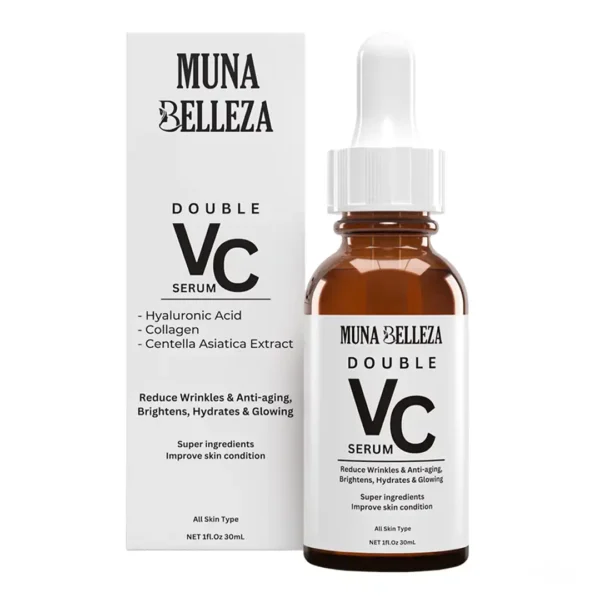 Hyaluronic acid serum
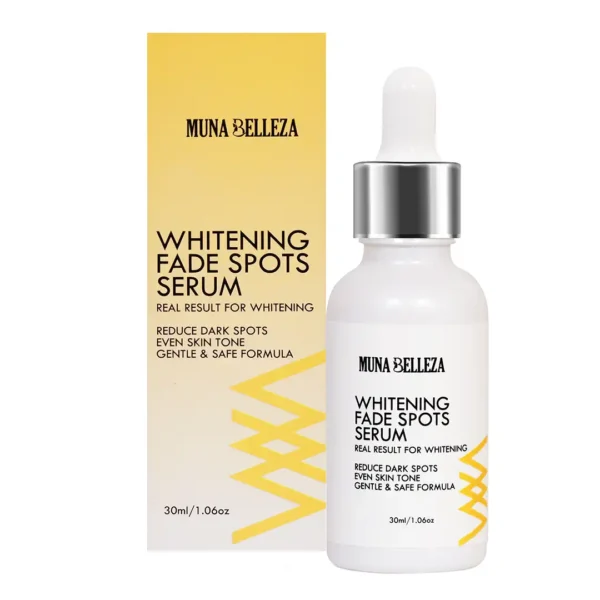 Dark spot correcting serum
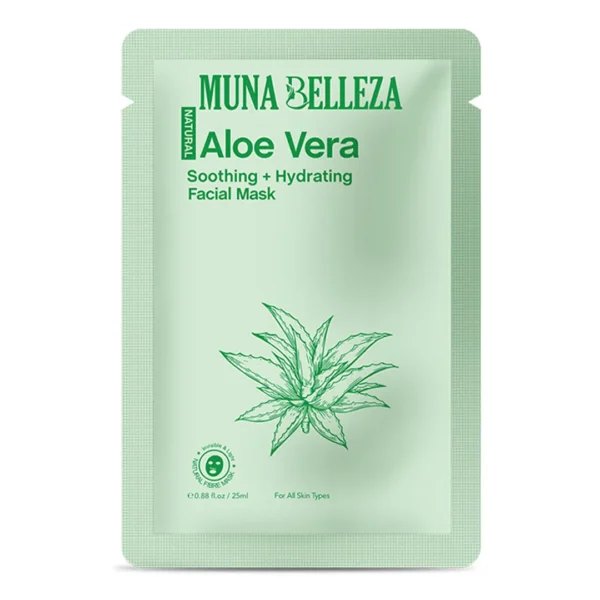 Hydrating sheet mask