Ten-step routines on social media, shelves full of toners, essences, ampoules and serums, and a different “must-have” every month: building a skin care routine can feel more complicated than it needs to be. Most people don’t need more products. They need the right few, used in the right order, often enough to work.
This guide gives you a simple base routine for morning and night, the order to apply each step, and how to adjust it for your skin type and the UAE climate. Once you know which steps you need, our Korean skin care range covers each of them, from gentle cleansers to serums and sheet masks.
The three steps every routine needs
Whatever your age or skin type, a good routine starts with three jobs:
- Cleanse: remove oil, sweat, sunscreen and make-up so other products can work and pores stay clear.
- Moisturise: replace water and oils, support the skin barrier and keep skin comfortable, especially in air-conditioning.
- Protect: broad-spectrum sunscreen of SPF 30 or higher every morning. It prevents most dark spots and early lines, so it does more long-term good than any serum.
Everything else, such as toners, serums, masks and exfoliants, is optional and should be added for a reason: a specific concern you want to improve.
The right order to apply skincare
The general rule is thinnest to thickest: watery products first, creams and oils later, so each layer can reach the skin. A full routine looks like this, but you only use the steps you need:
- Cleanser
- Toner or essence (optional, for extra hydration or a gentle acid)
- Treatment serum (vitamin C, niacinamide, acids or retinoid)
- Eye cream (optional)
- Moisturiser
- Face oil (optional, for very dry skin)
- Sunscreen, in the morning only, always last before make-up
Serum or moisturiser first?
Serum first. Serums are light and concentrated, so they go onto clean skin; moisturiser then seals them in. The exceptions are spot treatments, which are usually dabbed on after moisturiser at night, and prescription creams, which should follow your doctor’s instructions.
Do you need to wait between steps?
Usually not long. Give each layer a minute to sink in so products don’t pill or slide. Wait a little longer before sunscreen, so it forms an even film, and before make-up.
Morning skin care routine
- Cleanse gently. Water or a mild cleanser is enough if your skin is dry; oily skin usually feels better with a proper wash.
- Antioxidant serum. Vitamin C in the morning helps protect skin from daily sun and pollution damage and brightens over time. Our vitamin C serum is a light, fragrance-free formula with ascorbic acid. Our guide on what a vitamin C serum does explains how to use it.
- Moisturiser. A light lotion or gel for oily skin, a cream for dry skin.
- Sunscreen. A generous layer on the face, neck and ears, even if you will mostly be indoors or in the car.
Night skin care routine
- Double cleanse if you wore sunscreen or make-up: a cleansing oil, balm or micellar water first, then your face wash.
- Treatment step: this is where most active ingredients go, because skin repairs itself overnight and isn’t exposed to sun. Choose one main active per night.
- Moisturiser: often a little richer than your morning one.
A simple week of actives
If you use more than one active ingredient, spread them out instead of layering them all:
- Monday, Wednesday, Friday: exfoliating acid (salicylic acid for oily, clogged skin; glycolic acid for dull, rough skin).
- Tuesday, Thursday, Saturday: niacinamide or a retinol, depending on your goal.
- Sunday: rest night with moisturiser only, or a hydrating sheet mask.
Our guides to salicylic acid and glycolic acid explain how often each can be used.
How to choose and use a face serum
A serum is the step that targets a specific concern, so choose it by your main goal:
- Dull skin or dark spots: vitamin C, niacinamide or arbutin. Our dark spot correcting serum pairs niacinamide with arbutin and works well in the evening. Read more in our hyperpigmentation guide.
- Breakouts and clogged pores: salicylic acid or niacinamide. Our niacinamide guide covers how it helps oily skin.
- Dryness and tightness: hyaluronic acid, glycerin or panthenol.
- Fine lines: a retinoid at night, vitamin C in the morning. See our guide to wrinkles.
How to use a face serum with moisturiser: apply three or four drops to clean, slightly damp skin, press it in with your palms, wait a minute, then add moisturiser. More drops don’t make it work faster, they just waste product and can irritate.
Routines for each skin type
- Oily skin: gel cleanser, light serum, oil-free gel moisturiser, fluid sunscreen; salicylic acid two or three nights a week.
- Dry skin: cream or amino acid cleanser, hydrating serum, richer cream at night; avoid foaming washes that leave skin tight. Our gentle amino acid cleanser suits dry and sensitive skin.
- Combination skin: one gentle cleanser for the whole face, a lighter moisturiser on the T-zone and a richer one on dry cheeks.
- Sensitive skin: as few products as possible, fragrance-free where you can, one new product at a time.
- Acne-prone skin: keep the base simple and add one acne ingredient; our acne guide explains which.
- Men: the same three steps. Shaving counts as exfoliation, so go easy on acids on the beard area.
- Teens: a gentle cleanser, a light moisturiser and sunscreen are enough; add salicylic acid only if blackheads or breakouts appear.
The Korean skin care routine: what’s worth copying
The famous “10-step” Korean routine is more a marketing idea than a rule. Most Korean dermatologists recommend far fewer steps. The useful habits behind it are simple:
- Double cleansing at night to remove sunscreen properly.
- Layers of hydration with light toners, essences or serums rather than one heavy cream.
- Sheet masks once or twice a week for a quick boost of moisture. See our Korean face masks.
- Daily sunscreen, treated as non-negotiable.
- Gentle over harsh: mild cleansers and soothing ingredients such as centella, rather than strong scrubs.
Adjusting your routine for the UAE seasons
- Summer: heat and humidity make most skin oilier. Switch to lighter textures, cleanse after sweating and reapply sunscreen when you are outdoors.
- Winter and air-conditioning: skin often turns tight and flaky. Add a hydrating serum, use a richer night cream and cut back on acids if skin stings.
- After the beach or desert: skip acids and retinoids for a few days and focus on calming and hydrating.
- Travel: long flights dry the skin; a hydrating sheet mask and moisturiser help.
Common routine mistakes
- Adding several new products at once, so you can’t tell what caused a reaction.
- Layering too many actives on the same night.
- Switching products every week instead of giving them time.
- Skipping moisturiser because skin is oily.
- Sleeping in make-up or sunscreen.
- Rubbing hard with towels, cloths or scrubs.
Common questions
How long does a new routine take to work?
Hydration shows within days. Changes in breakouts, texture and dark spots usually take six to twelve weeks. Patch test anything new on your jaw for a few days before using it all over.
Do I really need a moisturiser?
Yes, almost everyone does, including oily skin. Without it, skin can feel tight and look duller, and strong ingredients are more likely to irritate. Our day and night cream set offers a lighter day cream and a richer night cream; the day cream has no SPF, so sunscreen still goes on top.
How should I apply skincare?
With clean hands, using small amounts and gentle pressing or upward strokes. Avoid tugging the skin around the eyes. Let each layer sink in before the next.
Can I get glowing skin in 7 days?
You can make skin look fresher within a week by moisturising well, using a hydrating mask and sleeping enough. Lasting glow from fewer spots and smoother texture takes a few months of steady care.
Is green tea good for the face?
Green tea extract is a soothing antioxidant often found in skincare. Dabbing brewed tea on the face is harmless for most people but does far less than a finished product; stop if it causes redness.
Ready to build your routine? Our cleansers, serums and masks are made in Korea, with free delivery to every emirate and cash on delivery available.
Learn more about our face serums.
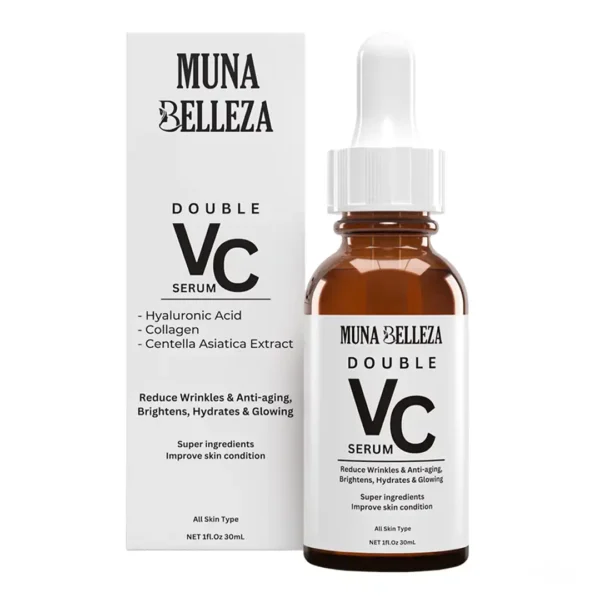 Morning vitamin C serum
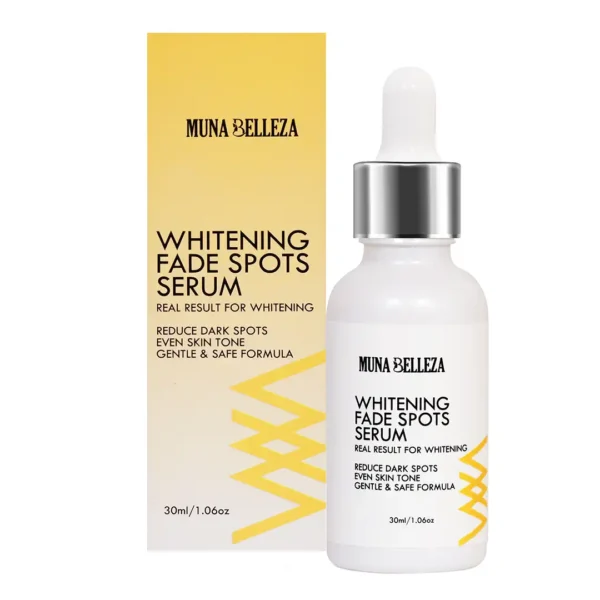 Evening serum for even tone
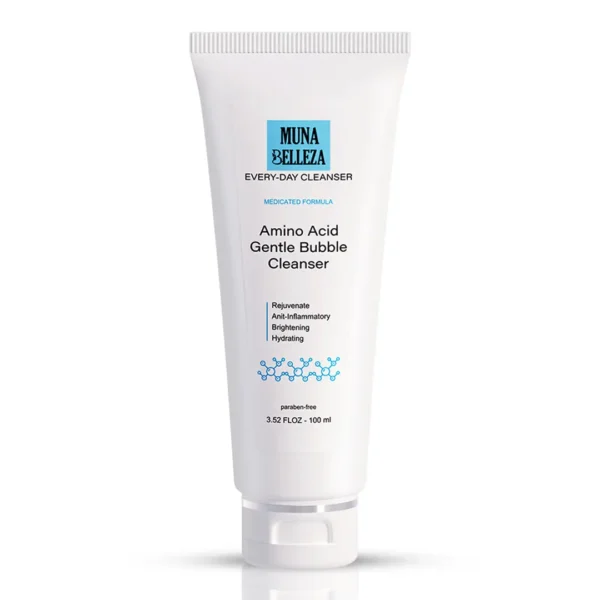 Gentle daily cleanser